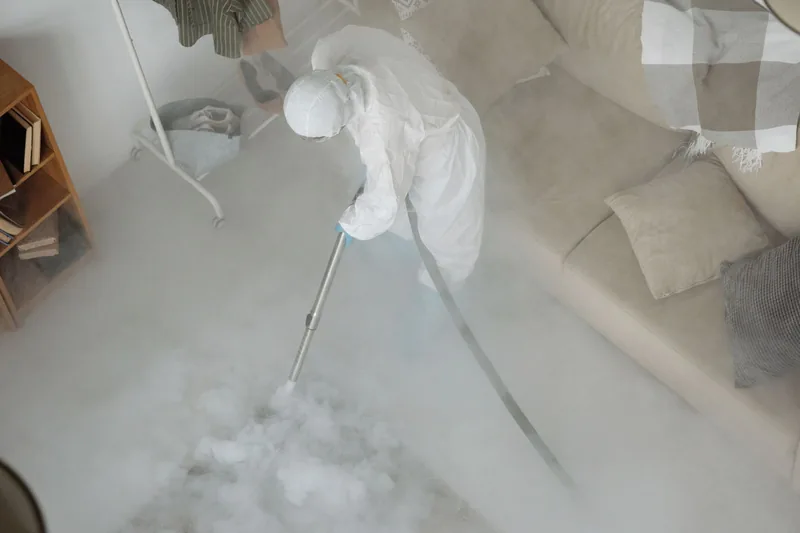
Biohazard Decontamination
After exposure to infectious or hazardous material, the air, room and surfaces are fully decontaminated.
See biohazard decontaminationYour home, vehicle or business can be cleared of infectious material such as bodily fluids and blood. The work covers containment, removal, cleaning and disinfection of the affected space, followed by correct waste disposal.
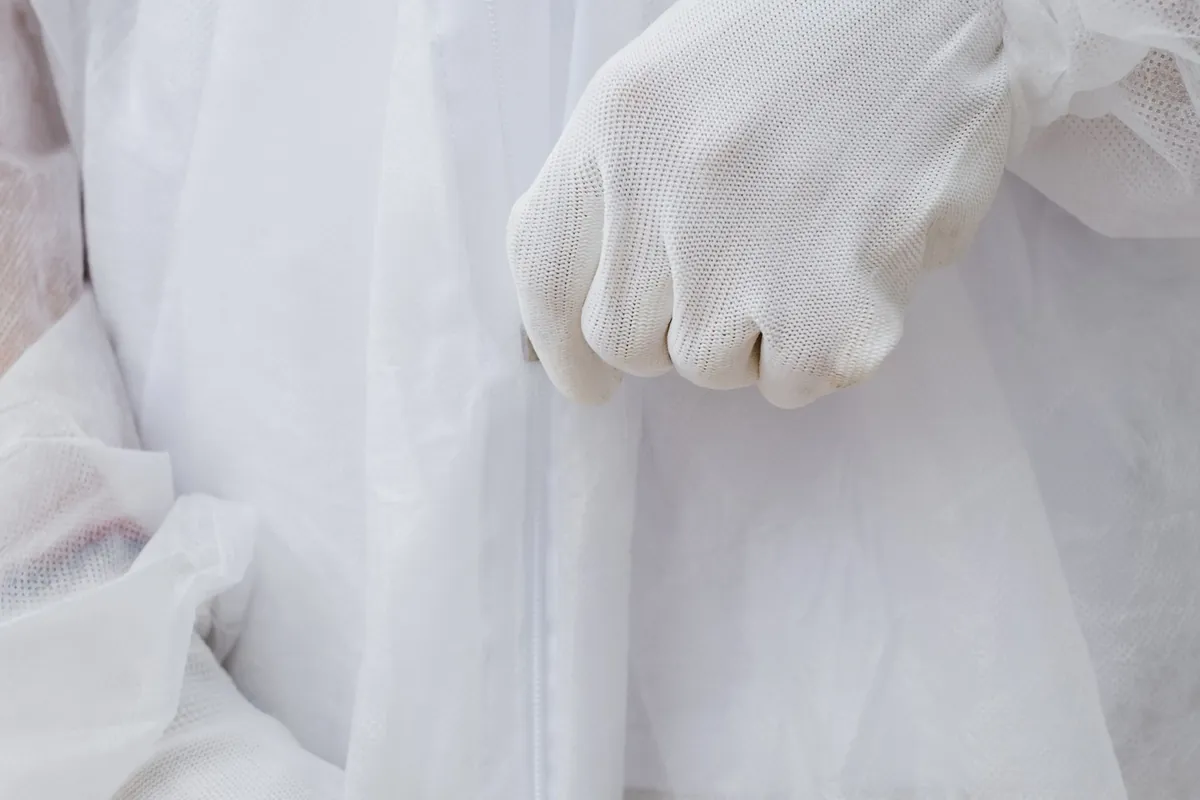
Biohazard cleanup is a controlled process for taking away potentially harmful biological material, including blood and bodily fluids, and cleaning and disinfecting the area it affected.
A severe hoarding condition, infectious illness, sewage backup, crime scene, injury or death may create biohazard contamination. It can affect vehicles and outdoor spaces as well as hotels, workplaces, apartments and houses. The work protects surrounding areas, traces the entire spread, removes materials that cannot be saved and disinfects the surfaces that remain.
Unlike routine house cleaning, biohazard cleaning uses trained technicians, personal protective equipment and a controlled work area. Products are matched to the contamination, and every EPA-registered disinfectant is given its full labeled contact time. Contaminated waste does not belong loose in household trash. It is packaged, labeled and moved as state rules require.
Available waste records, pictures, billing documents and the defined work scope can be arranged for your claim and property files.
Your personal property is assessed with you whenever conditions make that possible. Items that matter to you are sorted for cleaning, expert care or return when safe.
Discretion protects your privacy during the work. Crews arrive in unmarked vehicles and limit the work zone so attention stays away from your property.
You receive an explanation of affected materials, items that can be kept, necessary removals and proposed cleanup steps before work begins.
Biohazard cleanup services are appropriate when ordinary cleaning could expose you to bloodborne pathogens, infectious material or contaminated waste. Common situations include:
Water in a sewage backup is Category 3 black water. Cleanup may include extraction, removal of wet porous materials, cleaning, disinfection and drying.
Hoarding cleanup services may be needed when human waste, animal waste, spoiled material, sharps or other contamination is mixed with household contents.
A plan tailored to illness exposure may treat shared areas, touched objects and contact surfaces using disinfectant matched to the organism and surface type.
Nearby belongings, carpet underlay, grout and gaps in flooring may be reached by blood. Treatment covers the affected area completely because a biohazard cleaner examines more than the visible stain.
Prevent anyone from touching the biohazard, and stop contamination from traveling beyond the affected space. As you arrange professional cleanup, take the following steps:
Call (888) 351-0904Work may be limited to one hard surface, or fluids may have soaked into several rooms, so published cost guides cover a broad range. The residential average in Yelp Costs starts at $1,800 and goes to $4,500. Fixr puts the typical national range at $3,000 to $5,000 and its full published span at $1,500 through $25,000. An assessment is possible only after identifying affected materials and disposal needs.
The figures shown are national ranges from published cost guides and are not based on an on-site visit. After an on-site assessment, the price for your property is determined and shared with you before cleanup begins.
Ask about cost: (888) 351-0904Insurance may pay for biohazard cleanup when the policy covers its cause. Coverage depends on the event and the policy's limits, deductible and exclusions.
Responsibility can depend on where the event occurred, the lease, the cause and local rules. Before anything is moved, property owners and tenants should record the conditions and contact their insurers.
Victims of violent crime can ask the Ohio Attorney General's Crime Victim Services Section about crime scene cleanup, which its victims compensation program lists among eligible expenses for safety purposes. Insurance is usually checked first.
Notify the insurance company of the event and ask about coverage for cleanup, damaged building components, personal property and restoration. Save your claim number along with the adjuster's contact information.
Ask your insurance company which records it needs. The adjuster may use photographs, invoices, waste records and a clear scope of work when assessing your claim.
Planning begins with what the contaminant is, which materials came in contact with it and where it could have traveled. The steps control its spread as the space is prepared for safe use again.
Cleanup technicians examine the affected and surrounding areas, classify materials as porous or non-porous, record conditions and discuss the suggested work with you.
The affected work zone is isolated from uncontaminated rooms. Technicians wear protective equipment matched to the exposure, and airflow may be managed if odors or particles might spread.
When carpet, padding, drywall, insulation, a mattress or unfinished wood absorbs contamination, affected sections may be cut away and placed in sealed containers.
Visible soil is removed first because disinfectant works only when it can reach the surface. Tools and methods are selected for each finish.
After cleaning, surfaces receive an EPA-registered disinfectant and remain wet throughout the complete contact period stated on its label.
Air treatment follows removal of the material causing the problem. Room conditions, occupancy and the material left in place guide the possible use of HEPA air scrubbers and additional odor treatments.
Waste is packaged and labeled for the applicable disposal route. What was removed from your property and its destination may be recorded.
The work area is checked after cleaning. You learn what cleanup was performed, what material was removed and what rebuilding may be required next.
Phone any hour. A specialist in biohazard cleanup takes your call, explains each step and agrees on a start time with you.
Biohazards can be unsafe because infectious material, sharps and contamination beneath visible surfaces may be present. A quick surface wipe does not necessarily remove those risks.
Fluid can pass through carpet, reach joints in the subfloor, run under trim and move behind wall finishes. The affected area can extend beyond the mark that is visible.
Hepatitis B, hepatitis C and HIV may be carried in blood. Dried blood requires careful disinfection and cleaning because the CDC says hepatitis B may live on a surface for at least seven days.
Needles, broken glass and sharp metal can puncture a bag or glove. Proper containers and disposal methods for contaminated waste depend on the materials present.
Can you clean it yourself? If a tiny amount affects non-porous material with a sealed finish, cleanup may be reasonable when you wear disposable gloves and observe the complete contact time of an EPA-registered disinfectant. Do not begin cleanup if contamination spread into furniture, drywall, wood or carpet, if there are sharps, or if its full extent is unclear.
Accessible contamination can often be cleaned from non-porous surfaces without removing them. Absorbent materials are taken out if deeply soaked fluid prevents thorough cleaning and disinfection.
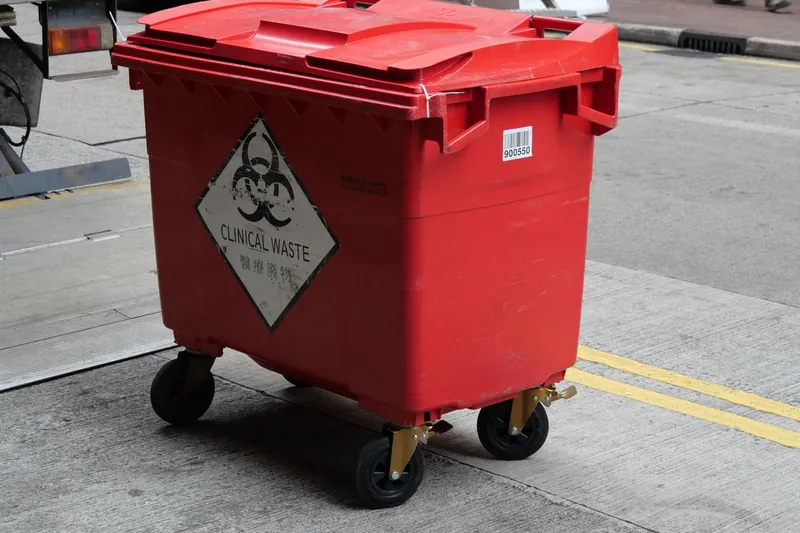
The OSHA Bloodborne Pathogens Standard, 29 CFR 1910.1030, sets requirements for worker exposure controls, protective equipment, training and related practices when blood exposure can occur.
Only a disinfectant appropriate for the surface and organism should be used. You must follow the product label for mixing, initial cleaning, safety precautions and full contact time.
Ohio treats soaked materials from a biohazard scene as infectious waste. Ohio EPA's Division of Materials and Waste Management rules control how it is packaged, transported and treated, so it cannot go in household trash.
Ohio investigates deaths through county coroners, who are physicians, and a small number of county medical examiners, with no single statewide office. Cleanup starts after police or the coroner release the scene.
How long biohazard cleaning takes depends on the affected area's extent, the materials and whether contamination stayed on top or went underneath. A minor hard-surface job might be completed during one work visit. Work involving multiple rooms, structural removal or lasting odor can take several visits, with restoration afterward.
The full biohazard cleanup guide covers what is cleaned or removed, odor and air quality work, and the rules that apply in your state.
Read the full biohazard cleanup guideLocal population patterns, housing and site access may affect how containment and cleanup are planned.
Knowing that Riverside Methodist Hospital is about 4.5 miles away helps households plan where to seek care before arranging scene cleanup.
Nearby communities include East Linden, Brittany Hills, and Woodland-Holt, useful geographic references when explaining a property location to a cleanup crew.
Properties within this Columbus neighborhood may share alleys, entries, or parking, so equipment movement should be planned around nearby residents.
Your phone conversation can include questions about service in nearby ZIP codes and communities.
After exposure to infectious or hazardous material, the air, room and surfaces are fully decontaminated.
See biohazard decontamination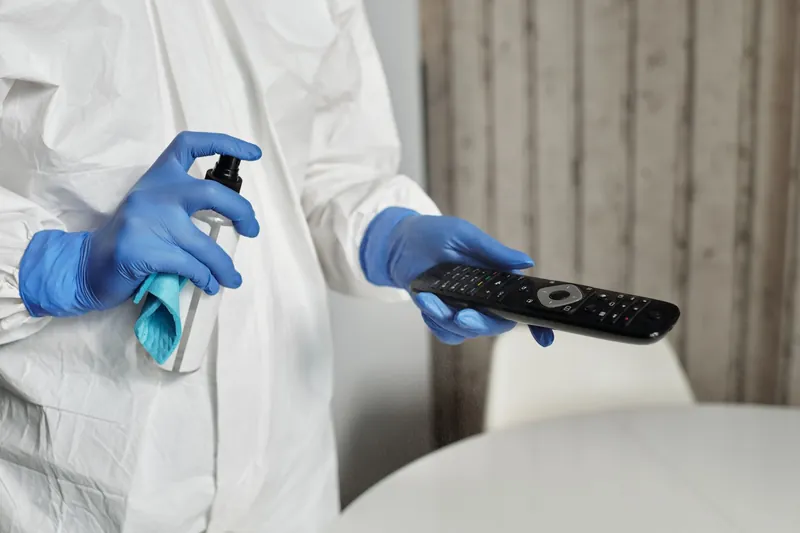
Biological remediation that removes contamination and returns a space to safe use.
See biohazard remediation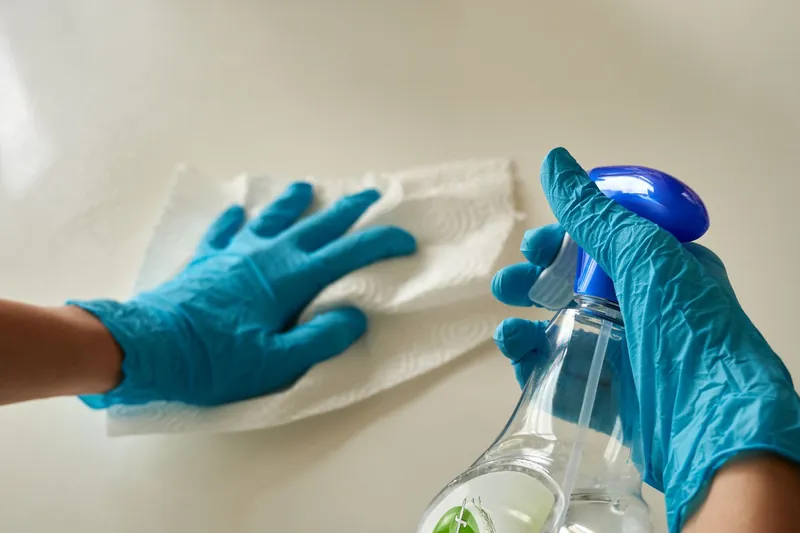
Walls, carpets, furnishings and hard floors receive blood cleanup, with safe disposal afterward.
See blood cleanup
Decomposition cleanup and odor control are needed after a death goes unnoticed for several days.
See unattended death cleanup
Trauma scene cleanup is needed after violent events, accidents and injuries.
See trauma scene cleanup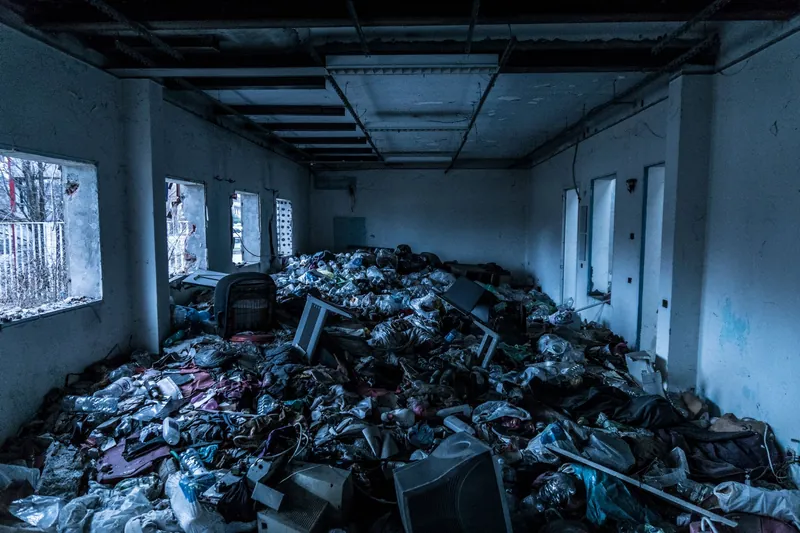
Respectful sorting, item removal and deep cleaning are included in hoarding cleanup.
See hoarding cleanup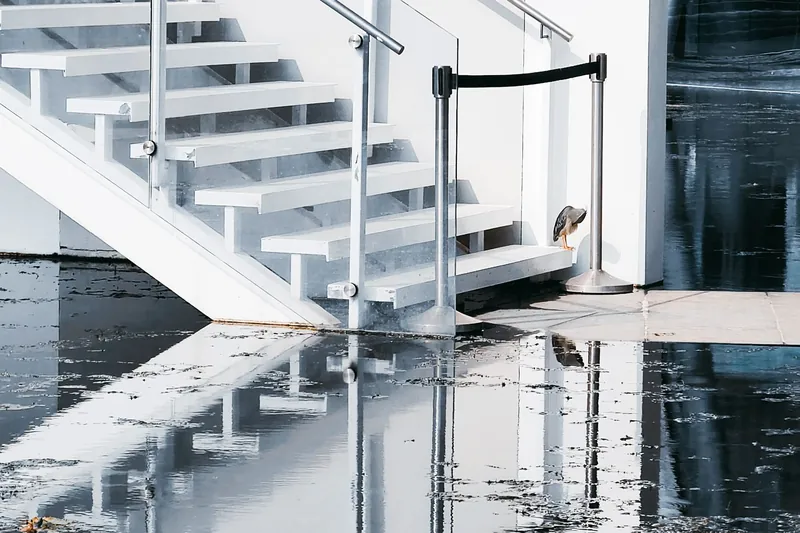
Raw sewage cleanup treats Category 3 black water and includes both drying and disinfection.
See raw sewage cleanup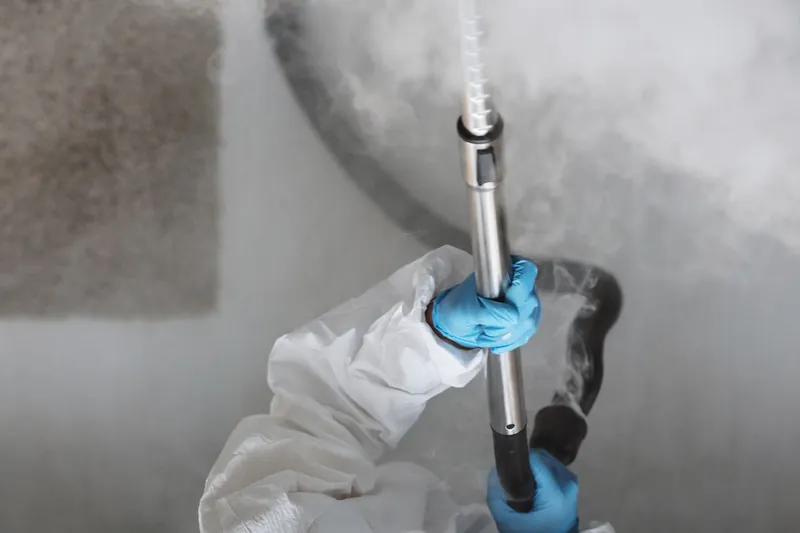
EPA-registered products are applied across all surfaces during infectious disease disinfection.
See infectious disease disinfectionCleaning and disinfection may be possible for sealed hard furnishings when the entire affected surface is reachable. Soft furniture might require removal after blood or bodily fluids reach internal padding or the structural frame. Important belongings are evaluated with you when possible, allowing restorable and washable pieces to be sorted away from waste.
Biological substances may be biohazards when they pose a threat to human health. In a property, common examples include blood, bodily fluids, human waste, sewage, used needles and materials contaminated during some infectious illness events. The type of material, extent of spread and contact with absorbent surfaces determine the risk.
The medical examiner or funeral home removes the deceased, but that does not include property cleanup. Following scene release, a landlord, family member, owner or another responsible person must arrange death cleanup. Loved ones do not need to enter the space while a biohazard cleaning company addresses contaminated materials, bodily fluids, disposal and odors.
Published figures vary widely with the material, area and depth of contamination. According to Fixr, typical costs nationally run from $3,000 to $5,000. Yelp Costs puts residential work in an average range from $1,800 to $4,500. A site assessment is needed to identify porous materials, waste volume and odor work.
Yes, when the odor source is found and removed. Treating the air may come only after affected drywall, carpet, padding, furniture or similar porous material is taken out. After disinfection and cleaning, workers may inspect nearby vents and use a suitable odor method, including HEPA air filtration, for any smell that remains.
How long cleanup takes is affected by surface materials, room count and the extent of fluid travel. A small cleanup limited to a hard surface may be finished during one visit. Several visits can be necessary for persistent smells, multiple affected spaces or contamination in carpet, walls or the subfloor. After remediation ends, replacement of removed finishes may proceed on its own timeline.
Respectful, discreet biohazard cleanup is available 24 hours a day, and crews arrive in unmarked vehicles.