Bodily Fluid Cleanup
Homes, care environments and businesses receive bodily fluid cleanup and disinfection.
See bodily fluid cleanupGet urine stains and odor removed from floors, subfloors, furniture and personal property in Beechview. Cleanup finds hidden saturation, treats recoverable surfaces and removes materials that cannot be restored.
Urine cleanup is the location, removal and treatment of urine contamination in flooring, subfloor, walls, furniture and personal property, followed by odor control and a careful check of the surrounding areas.
One recent mark on a nonporous, sealed surface might only call for quick household care. Consider professional cleaning for an unknown source, persistent odor from repeated incidents, or liquid absorbed by wood, carpet, drywall, upholstery or grout. Incontinence, care needs, vacancy, hoarding and rental use are settings where these problems often occur. The specific conditions are evaluated for every job.
Cleanup is meant to eliminate contamination, not disguise an odor. Technicians track visible marks and smells into porous material, decide what remains cleanable, identify what must come out and select treatment based on the surface. Additional measures may include protective gear, biohazard remediation and hazardous waste disposal if the urine also contains feces, other bodily fluids or blood.
Photographs, records of discarded items and notes about contamination may be arranged as insurance assistance. Your insurance company can use them, along with your property manager or landlord.
In homes, workplaces, rentals and care settings, privacy is maintained with unmarked vehicles and a protected affected area.
Before the cleanup process moves ahead, you learn what is cleanable, what may need removal and which factors change the scope. You should also receive a plain-language explanation of any serious health concern from the cleanup crew.
Before disposal decisions are made, you help check papers, keepsakes, furniture and other belongings that are yours or belong to your loved ones.
You may need professional urine cleaning when the affected area is extensive, concealed, recurring or contains another type of waste. Situations often include:
Stronger controls are necessary when fecal material is present with urine, along with careful removal of affected porous materials.
When clutter hides contaminated materials, older marks and smells in several rooms, the entire process must follow an orderly sequence.
Long after the obvious source is gone, an unoccupied house may retain older contamination in furnishings, flooring and the subfloor.
To protect staff and visitors, a discreet cleaning service with access limits may be needed for restrooms, stairs, elevators and common spaces. An emergency response may be appropriate when contamination blocks a space that people must use.
Begin by keeping contact limited and stopping additional damage. To avoid carrying residue from the affected space into clean areas, follow these steps:
Call (888) 351-0904Published cost guides do not list a urine-specific range. The closest related bodily fluid entry lists small blood or fluid cleanup from $500 through $2,500. A separate published blood cleanup span runs from $300 through $4,000. These are planning references, not urine cleanup prices. Your actual scope depends on the affected materials, the number of rooms and whether odor reached the subfloor or walls.
The figures shown are national ranges from published cost guides and are not based on an on-site visit. After an on-site assessment, the price for your property is determined and shared with you before cleanup begins.
Ask about cost: (888) 351-0904Coverage depends on what caused the contamination, the policy terms and whether the damage happened suddenly or developed over time. Insurance companies make decisions from the exact event and policy, so ask your insurance company to examine both before work begins when possible.
A policy may treat sudden damage differently from repeated or long-term contamination. Confirm the covered cause, your applicable deductible and the documentation you must submit.
Ask if your claim needs pictures, an inventory, moisture documentation, waste records or details of the cleanup work. Store your claim number with all directions from the adjuster.
Homeowners or renters insurance, the estate or the property owner usually pays for this kind of cleanup. The Ohio crime victim compensation program helps only when a crime caused the loss. This help may apply only when the contamination is tied to a qualifying crime, so confirm eligibility with the program.
Who is responsible for payment can depend on local requirements, the contamination source and your lease. Tenants and property owners should record the condition before affected materials are taken away.
To complete urine remediation, the path of contamination is followed from the surface into lower materials. Cleanup calls for assessing every material, clearing residue and making sure no odor source remains. Both the extent of the urine and any other hazardous substances determine how the work proceeds.
Cleanup crews inspect the affected rooms, ask about the source and duration, and look for stains, moisture damage and odor beyond the obvious spot.
The work zone is kept separate from clean rooms. Protective equipment is chosen to fit conditions, with added caution if the area contains other bodily fluids.
To find the full path of the liquid, the cleanup team checks seams, floor edges, wall lines and the bases of furnishings.
Removal may be necessary for carpet cushion, unfinished lumber or other absorbent material when cleaning cannot reach the full contamination.
Surfaces that can be saved first have residue removed, followed by treatment with a product appropriate for both the material and urine. The required contact time and label instructions guide use.
The goal is to treat the smell where it remains, including cracks, floor layers and grout, not mask it with perfume. Managed airflow can help surfaces dry and improve air quality.
The work area is checked after treatment and drying. A lingering smell may indicate concealed material requiring further treatment.
Once suitable restoration services replace any removed floor covering, baseboard, padding or subfloor section after cleanup, your repairs can move forward.

Call any hour. A urine cleanup specialist answers, explains the steps and agrees a start time with you.
Human urine is not automatically a regulated biohazard, but old or extensive contamination can still create an unhealthy space and may need professional cleanup.
Intense odor where urine has built up can cause irritation in your eyes, throat and nose. Ventilate only when smells cannot travel into surrounding areas, and limit the time you spend inside the room.
OSHA Bloodborne Pathogens Standard rules do not treat urine as blood when none is visible. Take extra care whenever the area may include an infection, another bodily fluid, fecal matter or blood.
Blood or feces mixed with urine can create serious health risks, calling for different containment, protective gear and waste disposal than a minor mark on sealed flooring.
Can you clean it yourself? Wear disposable gloves for a small recent spot on a non-porous sealed surface, then absorb the fluid, clean the material and follow the precise label instructions for a suitable disinfectant. Choose professional cleanup if urine keeps returning, covers a large area, soaks into porous material or includes blood, feces or sharps.
Whether a material stays depends on access to every trace of residue. Surface treatment is not enough for deeply soaked porous items, so those materials may have to be removed.
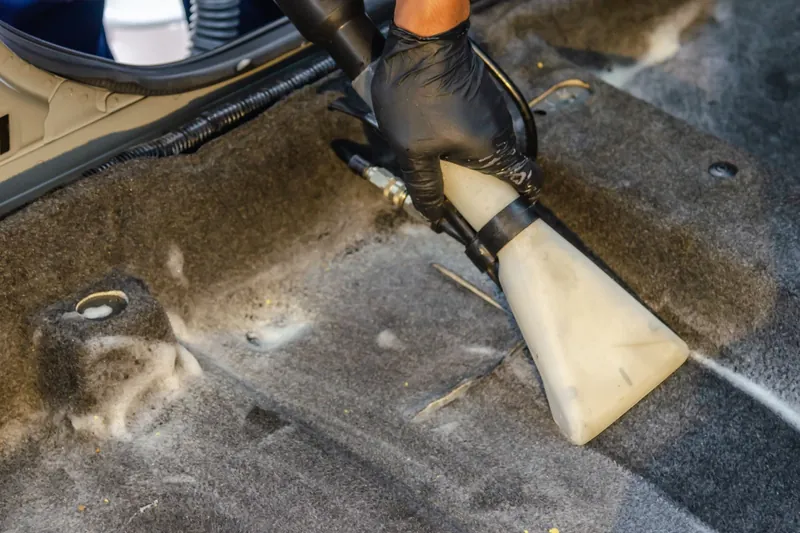
A limited surface cleanup may take part of a day, while repeated saturation across carpet, subfloor or several rooms can take longer. Drying, odor checks and removal of damaged materials add time, so duration is set after the affected layers are inspected.
| Scene | Typical time on site |
|---|---|
| Small area on a sealed surface | Often part of one workday |
| One room where contamination reached carpeting and cushion | One to two workdays in many cases, followed by drying |
| Several rooms or subfloor removal | Often several workdays, plus restoration |
Urine odor removal starts by finding every contaminated layer. Fragrance, paint or a surface spray can hide the smell briefly, but odor can return if urine remains in carpet pad, subfloor, wall edges, furniture fill or grout. Repeated staining may require selective removal so the full source is exposed.
Treatment suited to each material is applied to surfaces that can be recovered, but only after residue and saturation are addressed. Air movement may be used with filtration and controlled drying to help normalize the room. The dry area is then checked again because moisture can temporarily alter how noticeable an odor is.
The full urine cleanup guide covers what is cleaned or removed, odor and air quality work, and the rules that apply in Franklin County and Ohio.
Read the full urine cleanup guidePlanning for access, containment and cleanup can depend on local population, housing and entry conditions.
Riverside Methodist Hospital is about 2.8 miles from Beechview, which is useful to know when an exposure or injury needs medical attention.
Crews coming in from Potter's Creek, Worthingview or Broadmeadows should keep vehicles and equipment staged close to the affected property for privacy.
Because this is a neighborhood within Columbus, cleanup access may depend on local parking, common entrances, or building management rules.
During your call, ask whether cleanup is available in surrounding communities and ZIP codes.
Homes, care environments and businesses receive bodily fluid cleanup and disinfection.
See bodily fluid cleanup
Human feces cleanup includes disinfection in homes, public restrooms and rental properties.
See human feces cleanup
Carpet and upholstered items receive biohazard cleaning or are removed safely if necessary.
See biohazard carpet and upholstery cleaning
Hoarding cleanup combines respectful sorting, removal and deep cleaning.
See hoarding cleanup
Filth and squalor cleanup for homes that have become unsafe to live in.
See filth and squalor cleanup
Biohazard cleanup for hotels, Airbnb units and rental properties.
See hotel, airbnb and rental biohazard cleanup
Workplace biohazard cleanup addresses office injuries and exposure incidents at work.
See office and workplace biohazard cleanup
Disinfection and drying follow sewage cleanup of Category 3 black water from raw sewage.
See raw sewage cleanupUrine may call for professional cleanup when blood or feces is present, odor continues, several rooms are affected, or a large area of porous material is saturated. It is also useful when contamination is hidden by clutter, flooring or furniture and you cannot see where the affected area ends.
Without blood that you can see, urine does not automatically qualify as a bloodborne pathogen hazard according to OSHA rule 29 CFR 1910.1030. Possible infectious illness, visible blood or the presence of feces changes how the urine should be treated. Large or old deposits can still create odor, surface damage and an unhealthy indoor environment.
Your policy language and the source of contamination determine the answer. Recurring contamination and maintenance problems may not be treated like damage that happened suddenly. Before anyone removes affected flooring or additional materials, tell your insurance company what occurred and confirm exclusions, documentation requirements and your deductible.
Published cost guides do not list a urine-specific price range. The closest bodily fluid entry lists small blood or fluid cleanup at $500 to $2,500. That amount should serve only as a nearby planning comparison. Your final scope depends on room count, absorbent surfaces, required removals, disposal needs and odor work.
Feces can contain organisms that cause illness, and mixing it with urine raises the cleanup risk. Prevent both people and pets from entering, and avoid household vacuuming, sweeping or any action that drives contamination deeper into porous items. Large, widespread or old contamination may call for professional feces and urine cleanup.
An inspection of the carpet determines if moisture penetrated into the padding or subfloor. Recoverable fibers can be cleaned with a surface-appropriate treatment. Removing soaked carpet padding often allows access to the material underneath. Deeply impacted floor sections and damaged particleboard can require removal prior to restoration and odor work.
You can request respectful, discreet urine cleanup 24 hours a day, and crews use unmarked vehicles.