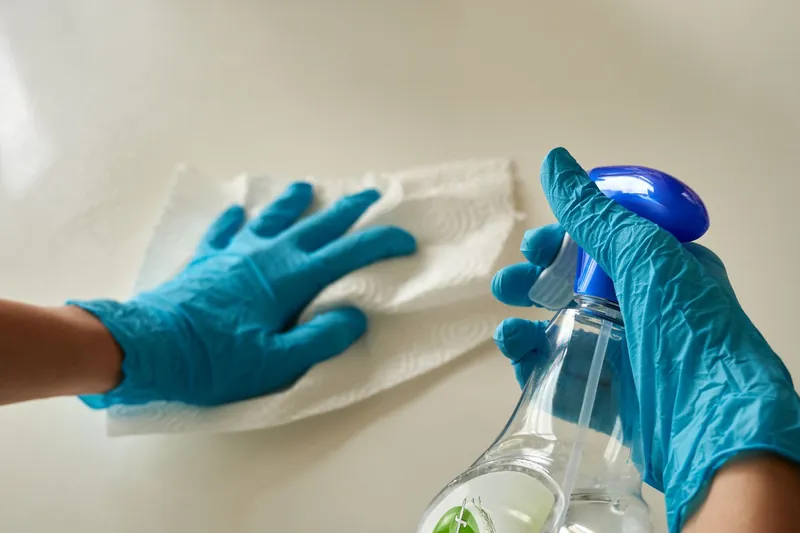
Blood Cleanup
Carpet, solid floors, walls and furnishings receive blood cleanup that includes safe disposal.
See blood cleanupGet blood and potentially infectious material cleaned from a home, rental, vehicle or workplace in Granville. The work can include containment, porous material removal, disinfection and controlled waste packaging.
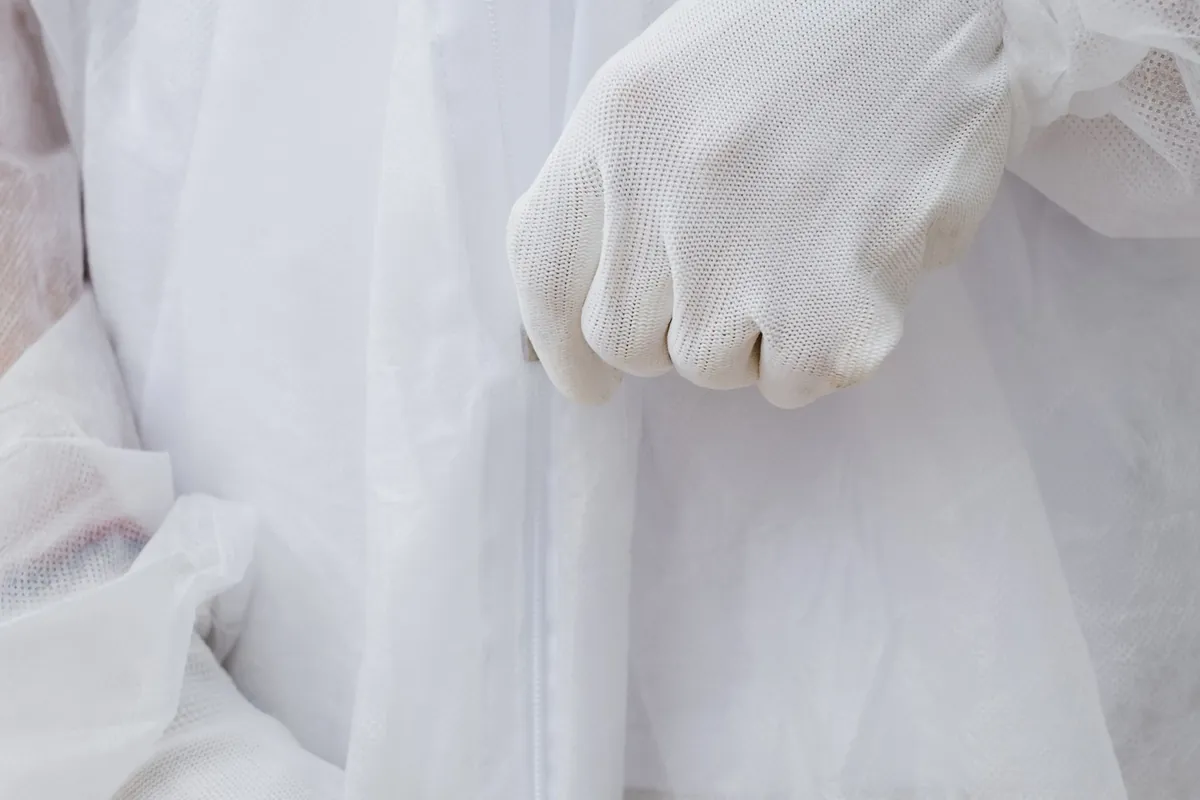
Bloodborne pathogen cleanup is a controlled process that removes blood and certain bodily fluids, then disinfects the areas where disease-causing microorganisms might be found.
Visible staining does not always show the complete affected area because blood may travel below a surface. Bloodborne pathogens include hepatitis B, HIV and hepatitis C. Contaminated blood can cause exposure through broken skin, contact with the mouth, nose or eyes, or another sharp object or needlestick that penetrates the body. For this reason, what is visible from the doorway does not define the whole cleanup area.
Biohazard remediation begins by dividing the work zone from clean portions of the property. The task determines which protective gear and personal protective equipment are selected. Absorbent materials that cannot receive full disinfection are removed. Technicians then clear soil from hard surfaces, use an EPA-registered disinfectant and observe the contact time on its label. Finally, contaminated waste is placed in packaging for disposal under the rules for that location.
Calls are answered day and night, and crews arrive in unmarked vehicles. Your description can remain private while steps are taken to reduce notice near the residence, business or rental property.
Each personal possession is assessed for its material and degree of contact. When an item cannot be cleaned, you can discuss that decision before it is removed whenever conditions allow.
You can use images, scope records and disposal paperwork to move forward with an insurer, landlord or manager once the affected area is clean.
You can ask which surfaces can be disinfected, which materials may need removal and what changes the cost before cleanup begins.
Consider bloodborne pathogen cleaning services if a hard surface has more than a limited, controlled spot of blood or other hazardous material that may be infectious. The right response depends on the event, but this cleaning service applies to a number of common needs:
Seat upholstery, carpeting, trim gaps and ventilation passages may become contaminated with blood. Since wiping exposed surfaces may leave deeper contamination untouched, interior components must be checked one at a time.
Puncture hazards come from lancets, needles and broken glass with contamination. Avoid direct handling, and do not discard sharps in an ordinary bag where a later injury could occur.
An injury in an office, store, warehouse or job site can create an exposure area. Following emergency response, leave the space restricted while workers take out the blood and contaminated materials and complete disinfection of hard surfaces.
Accidents can spread blood across several materials or rooms. Foot traffic can carry contamination farther, so people should avoid walking through the area or moving affected items.
First, keep people from making contact and do not allow the spill to spread. When law enforcement is part of the response, stay out until officials release the area. The following steps help protect you while leaving a clear view of the cleanup needs:
Call (888) 351-0904Bloodborne pathogen cleanup has no distinct published range. Related guides place minor cleanup from $500 to $2,500 while small cleanup falls from $1,500 to $3,000 in the listed references. Their broader figures span $300 to $4,000; an alternative spans $500 to $5,000. Every figure here is a reference rather than a cost for your property. Actual scope depends on which materials and how much area were affected.
Published national cost guides are the source for these ranges, rather than an inspection of your property. You learn what your property will cost after the on-site assessment and before any work begins.
Ask about cost: (888) 351-0904Who pays depends on the location of the event, the property owners who control the area and the conditions stated in a workplace plan, lease or insurance policy. An insurance company makes its coverage decision by applying the individual policy.
Who is responsible may vary based on local requirements, lease terms and why the contamination occurred. The tenant and property owner should document the affected area and discuss cleanup before contaminated materials are moved.
A work-related event should be reported to the manager in charge of the exposure plan. Applicable arrangements guide the employer, building manager and insurance company in deciding authorization, documentation requirements and payment.
Insurance assistance starts with clear records. Your adjuster can tell you what images, itemized lists, cleanup notes and waste records to submit. Retain claim communications and wait for disposal guidance about covered items whenever doing so can be done safely.
Some homeowners or renters policies may cover cleanup tied to a sudden covered event. Report what happened to the insurance company, ask specifically about biohazard cleanup and keep the claim number and requested records.
Bloodborne pathogen cleanup follows an ordered path: control the exposure, remove affected material, clean, disinfect and verify the result. The exact steps respond to the nature of the spill, the surfaces it touched and any hazardous waste that has to be taken from the property.
Likely transfer paths, involved spaces, surface materials and any sharps are identified by cleanup technicians. They document visible conditions and explain which items may be cleaned or removed.
Physical barriers divide clean areas from the work zone. Access restrictions, task-specific protective equipment and a planned route for tools and waste help control the work zone.
Carpet pad, unfinished wood, drywall, insulation or upholstered filling may need removal when blood has soaked beyond a cleanable surface. Packaging of removed items occurs inside the restricted workspace.
Workers first clear away soil that can be seen on hard, non-absorbent materials. The initial cleaning is important because biological soil can keep a disinfecting product from reaching the material underneath.
Cleanable surfaces receive an EPA-registered product selected to address the target organisms. Wetness is maintained for all of the contact time stated in the disinfectant directions.
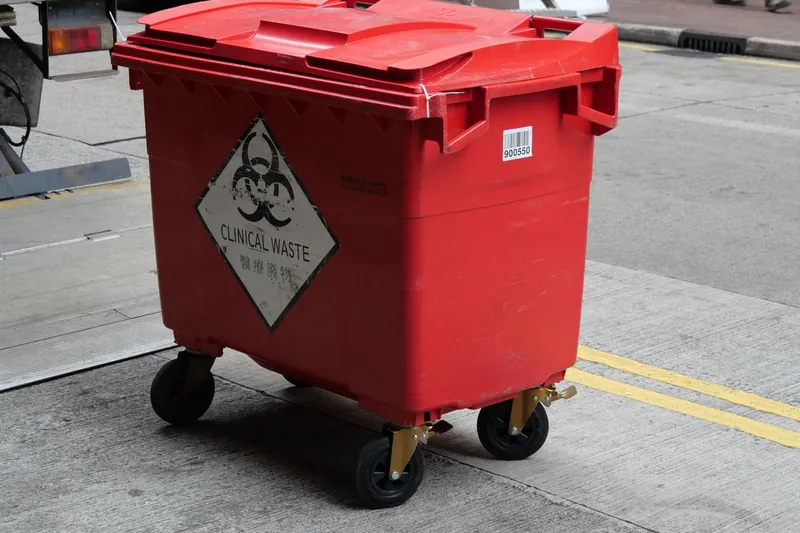
Sharps are contained apart from contaminated disposables and porous materials, with suitable packaging for every category. Once packaged, the waste is moved and treated according to relevant medical waste requirements.
A final inspection covers the work space, its edges and concealed transitions before the completed scope is documented. The record distinguishes unfinished property repairs from completed biohazard cleaning.
Completion of decontamination allows repairs to replace any flooring, drywall, baseboard or finish that was removed. Restoration services are outside cleanup, and you can coordinate them through the property manager or a repair contractor.

Call any hour. Your bloodborne pathogen cleanup specialist answers the phone, describes what happens next and works with you on a start time.
Infectious material from blood may create serious health risks through cuts, mucous membrane contact or puncture wounds. The risk can remain even if the stain seems dry.
Skin punctured by a shard or needle creates a direct path for exposure. Sharps need rigid, puncture-resistant containment rather than a soft household trash bag.
HIV and hepatitis B and C are viruses carried in blood. The CDC says hepatitis B can survive on surfaces for at least seven days, which is why dried blood should still be treated as potentially infectious.
Blood can wick through carpet into padding, enter floor joints, run behind baseboards and soak unfinished wood. Material hidden below may stay contaminated after cleaning stops at the top surface.
Can you clean it yourself? Managing a few recent drops on a sealed, smooth home surface may be reasonable when you can stay protected and obey all instructions on the disinfectant. Seek assistance if blood enters drywall, bare wood, upholstered material, carpet or an air vent, if sharp objects are involved, or if the affected limits are unknown.
When every affected side can be reached, hard and non-porous surfaces are often able to remain. Blood-soaked absorbent material may have to be taken out.
Part of a day may be enough for a surface spill that stays contained. Blood reaching porous materials or more than one room can extend cleanup to one or more workdays, followed by a separate period for repairs.
| Scene | Typical time on site |
|---|---|
| Limited blood spill on accessible solid material | Often completed within one workday |
| A single room requiring some absorbent material removal | Often one to two workdays |
| Multiple areas or materials affected below the surface | Could require multiple workdays before separate repairs begin |
Finding contaminated material and removing it at the source is the starting point for odor control. Fragrance and surface spray cannot fix blood inside wall cavities, furniture filling, carpet padding or unfinished wood. The affected materials need exposure and evaluation before they can be cleaned or taken out.
Managing air movement keeps material-removal dust or particles from spreading to clean rooms. HEPA-filtered equipment can be used while the work continues, and possible contamination in nearby vents is checked. Before normal use can resume, the area receives another inspection following cleaning and removal of the source.
The full bloodborne pathogen cleanup guide covers what is cleaned or removed, odor and air quality work, and the rules that apply in Licking County.
Read the full bloodborne pathogen cleanup guidePlanning for access, containment and cleanup can depend on local population, housing and entry conditions.
In an area with 18.4% renter occupancy, direct homeowner approval can simplify choices about opening walls or replacing affected finishes.
In housing built around 1987, a moisture check can help define how far sewage or cleaning water traveled.
When 32.9% of seniors live alone, clear item documentation can help an absent relative make careful decisions about belongings.
With 80.2% single-family housing, crews may need to inspect basements, crawl spaces, garages, and other areas unique to detached homes.
Your phone conversation can include questions about service in nearby ZIP codes and communities.
Carpet, solid floors, walls and furnishings receive blood cleanup that includes safe disposal.
See blood cleanup
Large or small, every fresh or dried blood spill is covered by blood spill cleanup.
See blood spill cleanup
Across care settings, commercial spaces and homes, bodily fluid cleanup includes disinfection.
See bodily fluid cleanup
Full decontamination of rooms, surfaces and air after infectious or hazardous exposure.
See biohazard decontamination
Biohazard waste pickup and disposal in sealed, labeled containers.
See biohazard waste disposal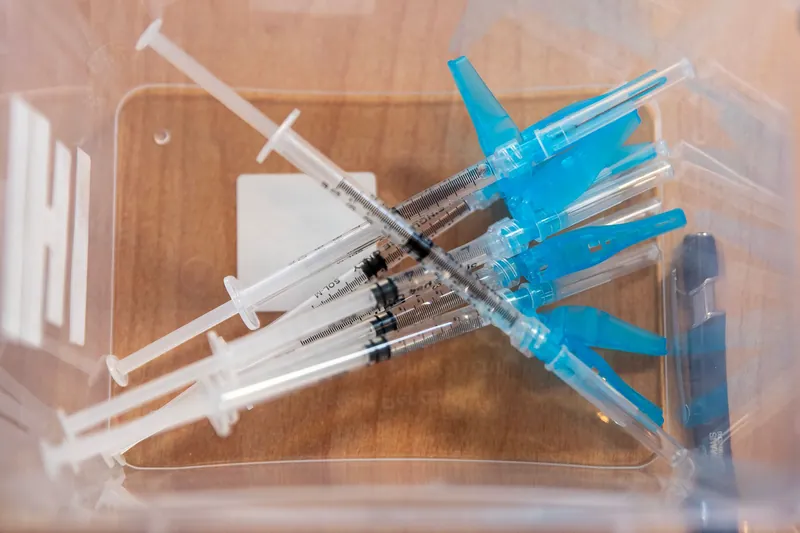
Yards, encampments, parks and rental properties receive needle and sharps cleanup.
See needle and sharps cleanup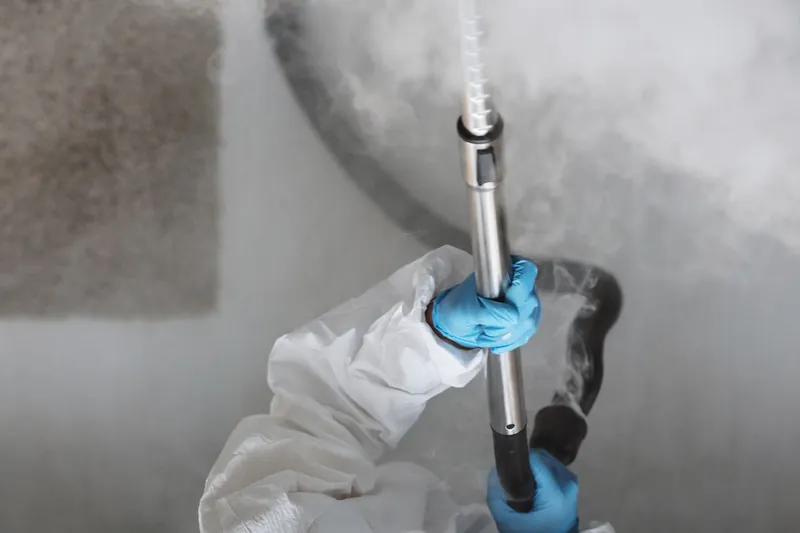
Disinfection for infectious disease uses EPA-registered products with complete coverage of surfaces.
See infectious disease disinfection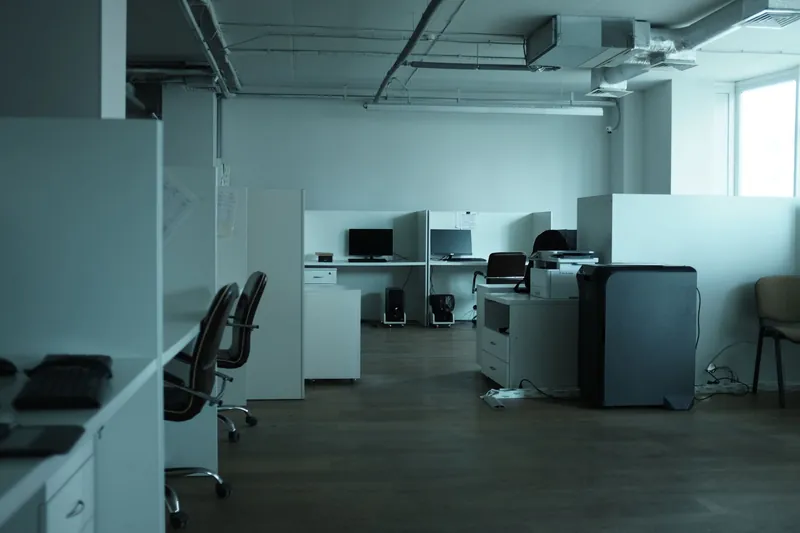
After exposure or injury, workplace biohazard cleanup covers offices and other work sites.
See office and workplace biohazard cleanupPublished guides do not list a separate range for this service. Minor blood cleanup appears at $500 to $2,500 in related public pricing guides, with more extensive cleanup ranges extending to $4,000 or $5,000. BioCleaners Directory and the cited blood cleanup pricing guides are the sources. Your affected materials and waste needs set the actual scope.
Dried blood should still be treated as potentially infectious. Hepatitis B may persist at least seven days on a surface, according to the CDC. Do not touch a stain to test whether it is dry, and do not vacuum or sweep material that could spread contamination into the air or nearby rooms.
You may manage several drops on a sealed, smooth surface at home when you can prevent exposure and use disinfectant according to its label. Seek professional assistance if blood entered wallboard, bare wood, upholstered material or carpeting, if sharp objects are involved, or if you cannot identify the affected limits.
OSHA standard 29 CFR 1910.1030 establishes employer duties when employees could have workplace exposure to blood. An exposure control plan, appropriate training and protective equipment are among the topics it addresses. Using an external cleanup company depends on what occurred and how the employer has planned to clean the area safely.
The term describes controlled disinfection and cleaning of blood or particular body fluids with the potential to contain infectious microorganisms. It includes limiting access, using suitable protective equipment, removing material that cannot be disinfected, treating reachable hard surfaces with an EPA-registered disinfectant and packaging contaminated waste under applicable rules.
The disinfectant needs to be registered by the EPA for that surface and those organisms. Remove soil through cleaning before it can interfere with disinfection. The disinfectant needs to stay wet on the material for all of its labeled contact time. Mixing cleaning chemicals can create dangerous fumes, so follow each label exactly.
Respectful, discreet bloodborne pathogen cleanup is available 24 hours a day, and crews arrive in unmarked vehicles.