Meth Lab Cleanup
Cleanup of a meth lab covers residue testing and decontamination before the clearance process.
See meth lab cleanupGet mold, moisture damage, cultivation debris, chemical residue and odor assessed after indoor marijuana growing in Jeffrey Park. Cleanup starts after the property is released and safe to enter.

Marijuana grow house cleanup remediates a property used for indoor cultivation. The work addresses excessive moisture, mold, lingering odor, fertilizer or pesticide residue, abandoned equipment and construction materials harmed by the operation.
A former grow house may look empty while contamination remains behind walls, under flooring and inside air pathways. High humidity can support mold on drywall, framing and insulation. Irrigation leaks can damage flooring and subfloor. Fans, lights and ducting may leave holes, dust and altered electrical work that need separate trade assessment.
Property release by the appropriate authority or law enforcement must come before cleanup if a seizure occurred. After entry is allowed, technicians outline affected areas and make records of visible conditions. Electrical, structural and plumbing repairs remain distinct from remediation. This is biohazard work only where inspection confirms needles, bodily fluids or another biological contaminant. Unknown chemical contents are neither mixed nor assumed. They must be identified and, where needed, sent through a fitting hazardous waste disposal channel.
Fixtures, documents and personal property are sorted with you when safe, so removal decisions match ownership and condition.
Room documentation, photographs and removal logs show the insurance company, property managers and repair contractors what work was completed.
Have the service explain before starting what the cleaning process includes, what requires another trade and which conditions may change the scope. Have the cleaning service clearly explain each boundary.
Crews use unmarked vehicles and, where entry allows, can shield the work area from public view.
Indoor cultivation can create conditions that cannot be corrected safely through ordinary housekeeping. Grow house cleaning services may be needed in those cases. Although every property differs, the examples below are common.
A recorded scope lets a property manager or landlord move forward with repairs and another tenancy.
Cultivation materials, affected items and debris remain indoors even though the property has been released.
Preparing affected areas of a warehouse or other business property for repair requires removal of cultivation materials.
Fertilizers, pesticides, fuel or unlabeled containers require careful sorting and the right waste route.
Secure property access and establish who controls it before anything else. If police, fire crews or a utility company are responding to an emergency, their work comes ahead of cleanup. Before technicians enter, follow these steps.
Call (888) 351-0904Published guides do not list a separate range for grow-house cleanup. As a comparison only, general biohazard cleanup guides list $1,800 to $4,500 for a residential average range, $3,000 to $5,000 for a typical national range and $2,500 to $8,000 for many residential projects. These are not grow-house price ranges. Mold removal, chemical disposal, electrical repairs, testing and reconstruction can change the final scope.
These national ranges are taken from published cost guides, rather than a property visit. The price for your property is set after the on-site assessment, and you hear it before work starts.
Ask about cost: (888) 351-0904Coverage can depend on who operated the grow, why the damage happened and which exclusions the policy contains. A coverage decision belongs only to the insurance company. Organizing photographs, invoices and the cleanup scope is what insurance assistance means here, rather than deciding the claim. Mold, damage by a tenant, illegal activity and moisture developing gradually should not be assumed covered.
Retain the release paperwork, photos by room, work scope, waste records and bills. An insurance adjuster, lawyer or building manager may use these records to understand the cleanup.
Tell the insurance company what you found, asking separately about water damage, mold, vandalism and contamination. Save the claim number and policy response.
Find out which loss causes qualify, if an inspection must happen before work, what documentation is required and whether repair types carry different limits.
The owner usually arranges access and cleanup in a rental. Responsibility for the cost may depend on the lease, policy decision and any legal recovery from a tenant.
What the inspection reveals determines the exact scope, although remediation follows an ordered and controlled process. Each stage should be explained to you, with changes recorded and updates shared throughout the work. Electrical repair, chemical waste, mold work and building restoration can each call for a different specialist.
Technicians confirm access, walk the property without disturbing unknown materials and note moisture, visible mold, odor, debris and damaged surfaces.
Room records and photographs identify affected areas, items to keep, removal needs and issues for a plumber, electrician or construction contractor.
Work zones are separated from surrounding areas. Site hazards determine air controls and protective equipment instead of a default arrangement.
The team separates pots, plastic, hoses, lights and other items used to grow plants. Regulated materials, unknown chemicals and sharp items are separated for the correct waste routes.
After controlling the moisture source, containment is used to remove mold-affected carpet, insulation, drywall and other items that cannot be cleaned completely.
Remaining hard surfaces are HEPA vacuumed and damp cleaned as appropriate. Cleaning clears residue and dust from cabinetry, framing, shelves and reachable air channels.
Odor sources are removed ahead of air treatment. HEPA air scrubbers and carbon filtration can support particle and odor control while affected materials are cleaned.
A closing inspection checks whether the cleaned area matches the agreed scope. Removal logs and images support restoration services as well as the electrical, plumbing and HVAC trades during handoff.
Phone any hour. You speak with a marijuana grow house cleanup specialist who outlines the process and schedules a start time with you.
The main risks after grow house use come from mold, damp conditions, unknown chemical residue, contaminated materials and unsafe changes made to the building. How serious the health concern is will depend on the conditions and substances present. Keep the property empty until it has been assessed.
Additional fans, lighting, wiring and ducts, especially with altered circuits, may pose fire or shock risks. An electrician still needs to evaluate the system and complete code work beyond cleanup.
Pesticide and fertilizer exposure may cause irritation to the lungs, skin or eyes. An unlabeled container may hold something else, so opening, smelling, mixing or pouring it down a drain is unsafe.
In warm rooms with damp conditions, mold can grow inside concealed cavities and across porous materials. According to the EPA, wet materials may develop mold within 24 to 48 hours, making moisture control the top priority.
Can you clean it yourself? Intact equipment that is empty and minor amounts of dry potting mix may be ordinary waste after property release. Stop and seek professional cleanup if you notice sharp objects, mold, water accumulation, unlabeled chemicals, electrical damage or residue covering absorbent materials.
The timing cannot be stated reliably with one standard schedule. A small room holding dry debris takes less time to address than a site where materials need removal and mold, altered utilities or unidentified chemicals are widespread.
| Scene | Typical time on site |
|---|---|
| Limited debris and surface residue | Timing follows the site assessment and agreed scope |
| Mold or moisture across several rooms | The time required varies with drying, containment and removal work |
| Chemicals, damaged utilities or reconstruction | The project may take longer when it needs clearance, testing or separate contractors |
Plants and damp soil, mold-affected materials, chemical residue and any other sources must leave before odor treatment. Fragrance by itself cannot correct moisture, contaminated material or residue concealed in porous surfaces.
Cleaning of accessible air pathways and remaining surfaces follows removal of the sources. Activated carbon may reduce odor that lingers, while HEPA filtration captures small particles. Before operation, HVAC equipment and duct material connected to the grow rooms should be inspected. Wet material still needs repair, and mold still requires remediation, regardless of odor treatment.
Do not alter a property tied to an investigation before the authority responsible verifies its release. Official sealing materials and evidence need to stay untouched.
Pesticides and fertilizers should stay in their labeled containers. Under local and state regulations, hazardous materials or unidentified contents can require approved waste routing.
According to the EPA, damp materials may begin growing mold within 24 to 48 hours. Cosmetic work follows moisture control and the removal of affected building materials.
Work on plumbing, the building structure, ventilation and electricity may require permits or inspection. Ask local building officials which requirements govern the work before utilities are restored or walls are closed.
The full marijuana grow house cleanup guide covers what is cleaned or removed, odor and air quality work, and the rules that apply in your state.
Read the full marijuana grow house cleanup guide
Containment, entry and cleanup plans can be influenced by local housing, population and access details.
For an injury during discovery, Grant Medical Center is the nearest listed hospital at approximately 0.9 miles away.
Nearby communities include Italian Village, Short North, and Fort Hayes, useful geographic references when explaining a property location to a cleanup crew.
In Jeffrey Park, identifying the correct building entrance can reduce unnecessary movement through shared spaces during a sensitive cleanup.
Your phone conversation can include questions about service in nearby ZIP codes and communities.
Cleanup of a meth lab covers residue testing and decontamination before the clearance process.
See meth lab cleanup
Hazmat cleanup uses suitable protective equipment when addressing hazardous materials.
See hazmat cleanup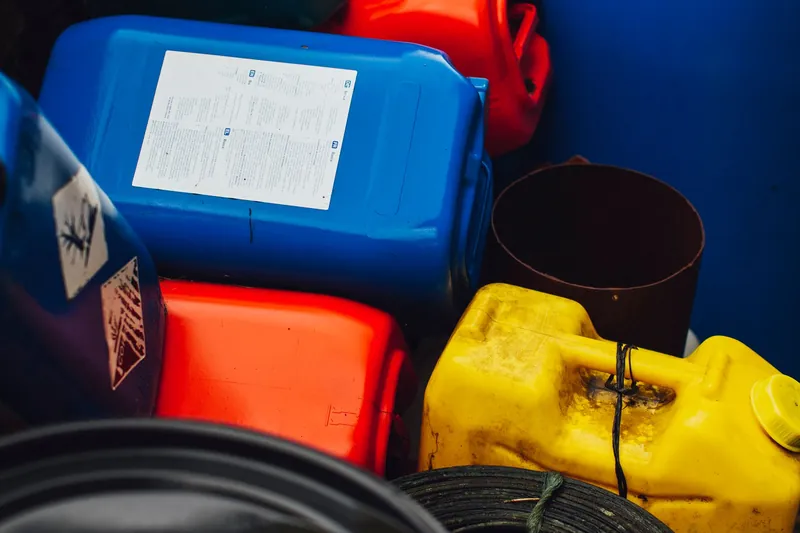
Chemical and toxic waste cleanup and safe disposal.
See chemical and toxic waste cleanup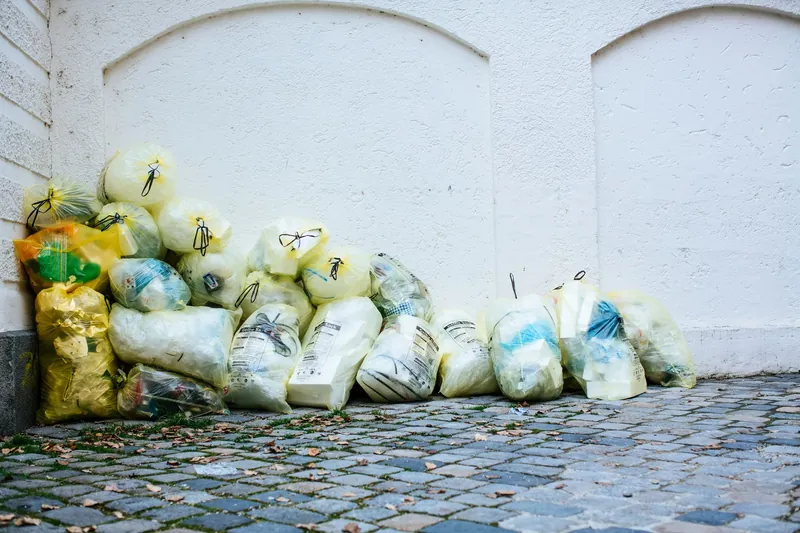
Removal of needles, pipes and drug residue from rentals and properties.
See drug paraphernalia cleanup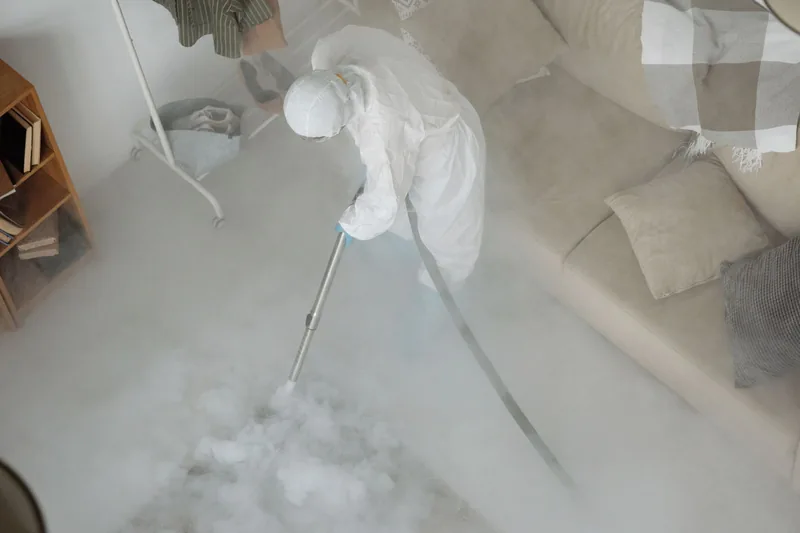
After exposure to infectious or hazardous material, the air, room and surfaces are fully decontaminated.
See biohazard decontamination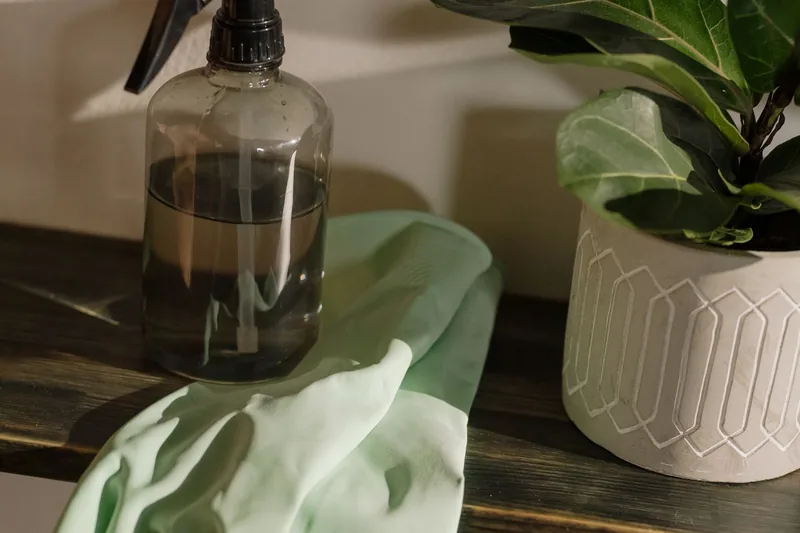
After fentanyl exposure, decontamination addresses rooms, vehicles and other surfaces.
See fentanyl decontamination
Planning for industrial and commercial biohazard cleanup considers operations and access to the site.
See commercial and industrial biohazard cleanup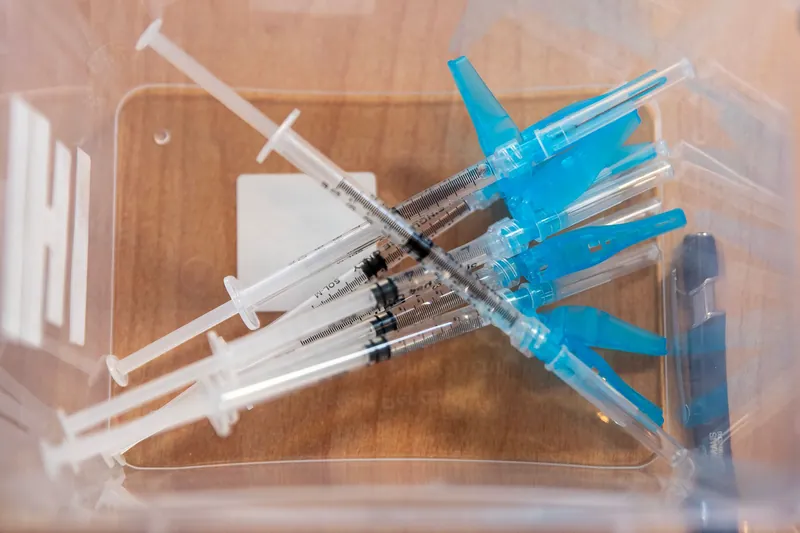
Cleanup removes sharps and needles from parks, rental sites, yards and encampments.
See needle and sharps cleanupIt can contain mold, wet materials, pesticide or fertilizer residue, sharp objects and unsafe changes to wiring or ventilation. Conditions vary by property. Do not assume risks are equal in every room, and avoid any space with heavy mold, visible electrical damage or strong chemical odor.
Cleaning a marijuana grow house means remediating a property affected by cultivation debris, lingering odor, chemical residue, moisture and moldy materials. Possible steps include HEPA cleaning along with waste sorting and containment. Electrical, plumbing, HVAC and structural repairs are separate parts of restoring the property.
No distinct grow-house cleanup range appears in published guides. Published general biohazard cleanup benchmarks place the residential average range at $1,800 to $4,500 and list $2,500 to $8,000 for many residential projects. Use those numbers for context, not as a grow-house price quote.
Room count, hidden damage, moisture, mold, chemical waste and needs for testing or other trades all affect timing. An on-site evaluation comes before establishing a practical project schedule. Electrical, reconstruction, HVAC and plumbing tasks may continue after cleanup is done.
Keep everyone away, avoid operating fans or lights, and leave unidentified containers closed. Wait until the site is formally released if police took part. After notifying the owner and insurance company, arrange a site safety evaluation before anyone moves equipment or starts cleanup.
The first odor removal step targets residue, wet soil, plants and affected absorbent materials. Cleaning then covers retained surfaces and reachable air channels. Particles can be captured through HEPA filters, and activated carbon may help with lingering odor. Source removal, moisture control and mold work cannot be replaced by fragrance.
Respectful, discreet marijuana grow house cleanup is available 24 hours a day, and crews arrive in unmarked vehicles.