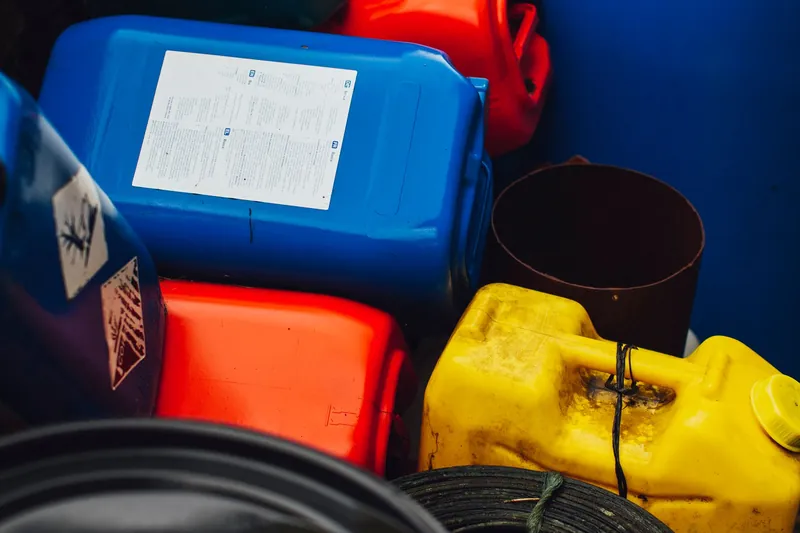
Chemical and Toxic Waste Cleanup
Toxic and chemical waste cleanup includes safe disposal.
See chemical and toxic waste cleanupGet hazardous materials, chemical residue and contaminated items assessed and cleaned in Northwold. The hazard is identified first so containment, protective equipment, cleaning and waste disposal fit the material.
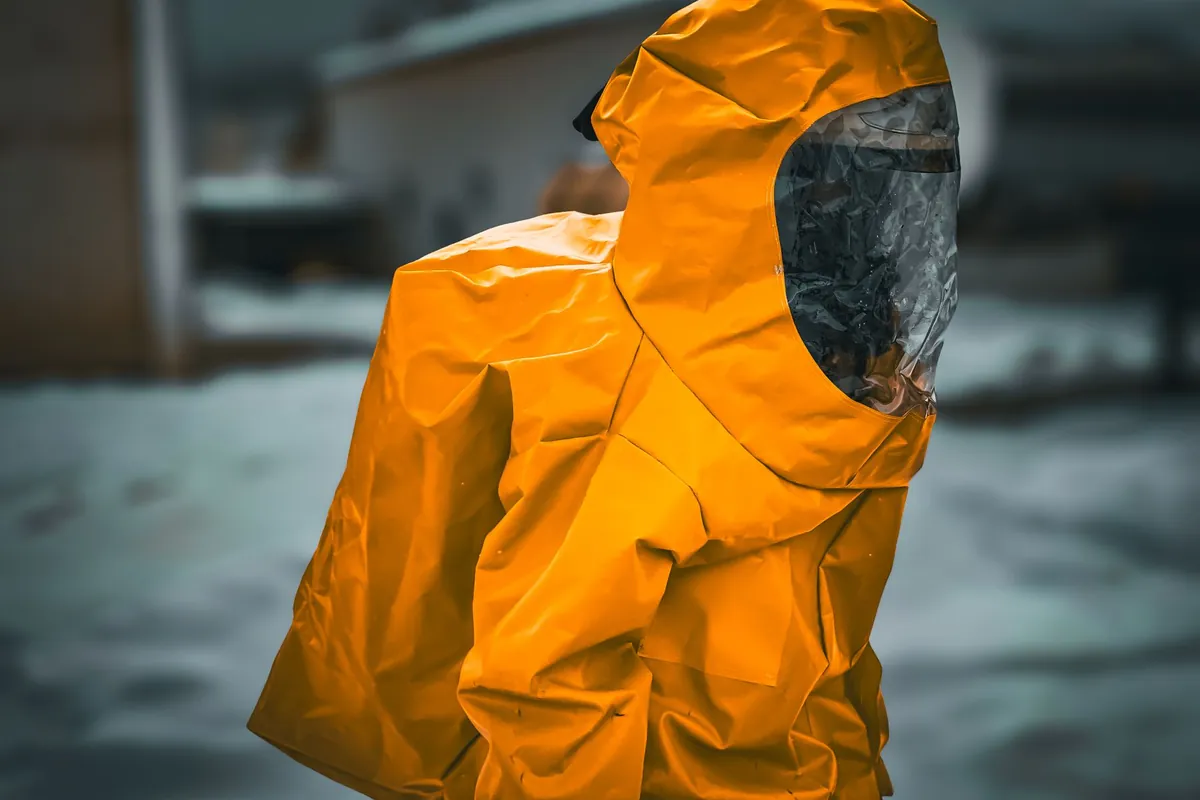
Controlled treatment or removal of dangerous substances is known as hazmat cleanup. It addresses materials capable of harming people, property or the environment by contact, inhalation, fire, chemical reaction or contamination.
A biological hazard, corrosive substance, chemical spill, fuel residue, toxic waste or unidentified powder may require this work. Bloodborne pathogens can be present in biological material such as bodily fluids and blood. A chemical may cause poisoning or burns, react with another product, or give off dangerous vapor. Since each risk is different, no single cleaning process or product is right for every substance.
The cleanup process begins with information. A product label, Safety Data Sheet, container, incident report or testing may help identify the material. The affected area and surrounding areas are then controlled. Cleanup technicians select protective gear, tools, absorbents and containers that fit the substance. Contaminated materials are cleaned when that can be done safely, or removed for proper waste disposal when they cannot be kept.
Calls are answered day and night, and crews arrive in unmarked vehicles. You do not have to discuss what happened with visitors or neighbors.
Salvageable items are isolated from porous contents that retained the hazardous material. When belongings can be touched safely, you help assess contents that matter to you.
Before you move forward, you learn which facts are established, what remains unidentified and how the suggested cleanup applies to the affected area.
Photos, work plans, waste records and inventories of discarded material may support your answers to property managers or insurance companies.
Hazmat cleaning services are needed when normal cleaning could expose you to a hazardous substance or spread it to another surface. Common situations include:
A garage, basement, workshop or storage area contains spilled chemicals, mixed containers or unknown material that ordinary house cleaning should not disturb.
For a warehouse, office, store or managed property, the work may require containment, controlled cleaning and documentation for an insurance company or property owner.
Biological material such as bodily fluids, blood or sharps needs a plan distinct from chemical-residue work, with precautions for bloodborne pathogens.
Careful removal is necessary if a trunk, cabin or cargo-area spill spreads into ventilation spaces, carpet or interior trim.
Start by protecting yourself from exposure and limiting further spread. Take these steps before professional cleanup starts:
Call (888) 351-0904For small to mid-size spaces, hazmat cleanup ranges between $4,000 and $40,000 per job. One and Done Prep is the source. Its Hazmat Cleaning Cost guide puts initial containment and cleanup at $6 per square foot up to $20 per square foot. The substance involved, affected square footage, waste disposal, containment, inspections and permits can cause costs to vary greatly. A site assessment must occur before a final price is determined.
Published national cost guides are the source for these ranges, rather than an inspection of your property. The price for your property is set after the on-site assessment, and you hear it before work starts.
Ask about cost: (888) 351-0904Hazmat cleaning may be covered by insurance when the underlying cause qualifies under your policy. Contamination exclusions, coverage limits and the deductible can influence what gets paid.
Report both the source and location of the contamination to the insurance company. Find out whether coverage includes cleaning, damaged items, waste disposal and necessary repairs.
An owner should document the event through cleanup service paperwork, an item list and affected area pictures taken from a safe position.
Local obligations and the details of the policy, lease and event may affect who pays and organizes the work. Do not agree that you are responsible until the documentation and circumstances have been examined.
If there is enough time, find out what documentation your adjuster wants prior to beginning the work. Keep a cleanup plan, pictures, disposal records and a list of removed materials to support the claim explanation.
Different materials require different cleaning procedures, but professional cleanup still uses an ordered, controlled process. Throughout the work, contamination should remain confined to affected areas so clean spaces stay protected.
Crews examine known details of the event and consult available labels and Safety Data Sheets. Before cleaning starts, crews document the affected area, exposed surfaces and possible spread routes.
Barriers keep occupants and clean rooms apart from the work area. When contamination could leave its starting point, crews manage openings and pathways that might carry it.
Gloves, clothing, eye protection and respiratory protection are selected for the known hazard and the work being done, not from a one-size-fits-all kit.
Crews stop the source only if doing so is safe. Further movement is restricted with compatible containers, absorbent products or another appropriate control.
Cleanable surfaces and equipment receive a method suited to the contaminant. An EPA-registered disinfectant remains on biological contamination for the entire contact time stated on its label.
Items are isolated, listed and packed for removal if damage or porosity prevents safe cleaning. Personal property is reviewed with you before disposal when conditions allow.
Once the substance is known, waste goes into sealed containers compatible with it and follows the required disposal route. Cleanup paperwork can support insurance or property files.
The completed work is compared with the defined cleanup scope. You learn what cleanup covered, which materials left the property and whether repairs or additional restoration services remain necessary.
You can call anytime. Your hazmat cleanup specialist answers the phone, describes what happens next and works with you on a start time.
Hazardous substances pose serious health dangers if inhaled, swallowed, contacted by skin or introduced by puncture. The wrong product may react with the material or spread contamination.
Material can move under shelving, behind baseboards, into floor seams or through a vehicle interior. Residue can be left in place if you clean only the apparent spill.
Exposure to vapor, liquid or dust can harm your breathing, skin or eyes. Choosing appropriate protective equipment requires knowing the substance, how concentrated it is and the possible route of exposure.
Surrounding areas can be exposed to airborne material, while porous contents may trap odor or residue. Before anything is cleaned, taken away or put back, its condition should be assessed.
Can you clean it yourself? A small spill is not automatically safe. Use directions from the Safety Data Sheet and product label only when you know the substance, have a controlled release and see that the guidance applies clearly. Keep away from unidentified material or any substance that is highly toxic, spreading or reactive, and seek emergency response for an immediate threat.
The material and the surface decide what can stay. A sealed, compatible surface may be cleaned, while a porous item that absorbed hazardous residue may need removal.
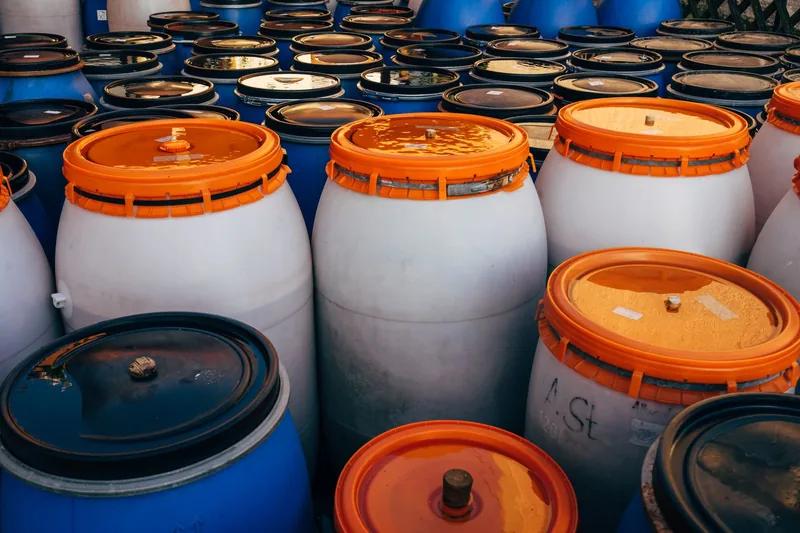
Hazmat cleaning has no safely fixed duration until the material is identified, the disposal needs are clear and the affected area is understood. Required permits, testing or inspections may delay work, as can the need to bring an active hazard under control.
| Scene | Typical time on site |
|---|---|
| Known material in one controlled area | The site assessment determines the work duration |
| Multiple affected areas or an unidentified substance | Assessment of the hazard and affected space precedes cleanup |
| Special disposal needs, structural material removal or an inspection | Total timing reflects every phase that applies |
Odor can warn you that something is wrong, but smell cannot identify a substance or prove that an area is safe. Do not lean close to find the source. Odor removal starts with identifying and removing or treating the material that caused it.
Assessment after removal of the source includes hard surfaces, porous materials and the paths of moving air. Some vapors and dusts can spread through airflow, so ventilation or air-cleaning machinery has to match the known hazard. A fragrance masks smell without removing it. Final air quality choices must reflect the material involved, the scope of cleaning and any situation-specific testing.
The full hazmat cleanup guide covers what is cleaned or removed, odor and air quality work, and the rules that apply in your state.
Read the full hazmat cleanup guideLocal population patterns, housing and site access may affect how containment and cleanup are planned.
Knowing that Riverside Methodist Hospital is about 1.0 miles away helps households plan where to seek care before arranging scene cleanup.
The nearby places of Homedale Addition, Island View, and Delawanda give useful orientation when arranging equipment delivery and waste pickup.
As a Columbus neighborhood, Northwold may include several building styles, so cleanup planning should start with the exact property type.
Your phone conversation can include questions about service in nearby ZIP codes and communities.
Toxic and chemical waste cleanup includes safe disposal.
See chemical and toxic waste cleanup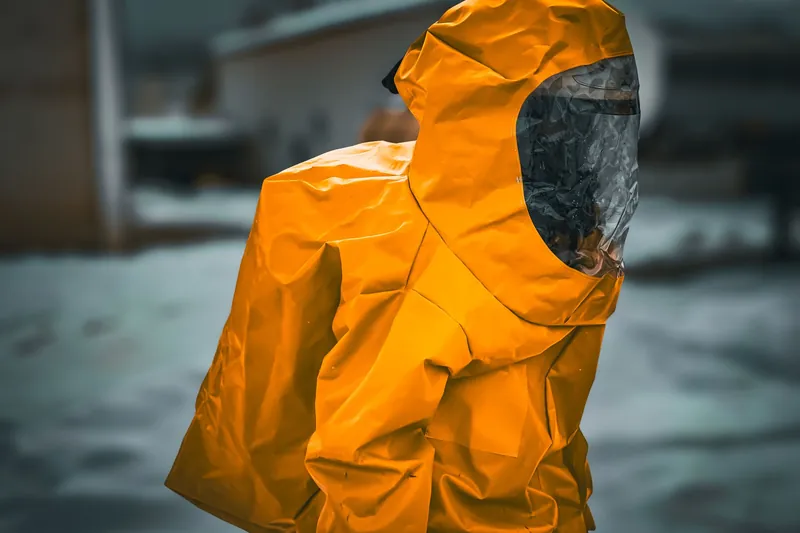
Removal and disinfection of blood, body fluids and other infectious material from any property.
See biohazard cleanup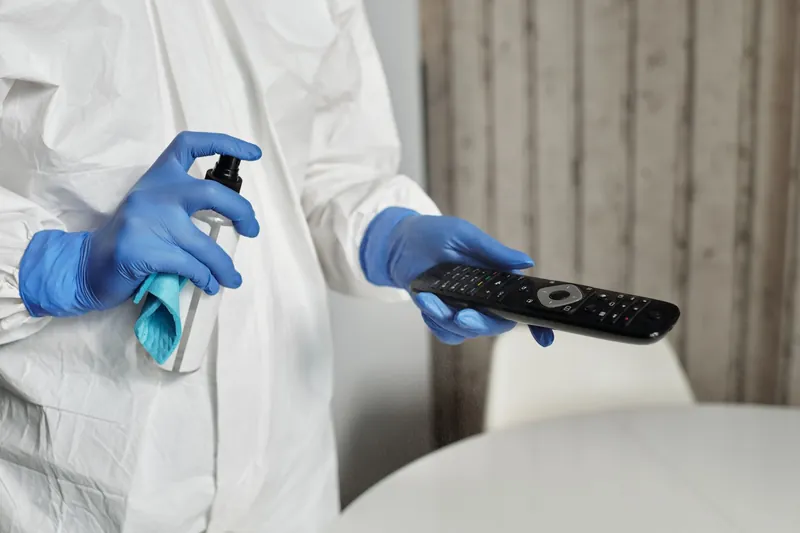
Contamination is cleared through biological remediation, returning the space to safe use.
See biohazard remediation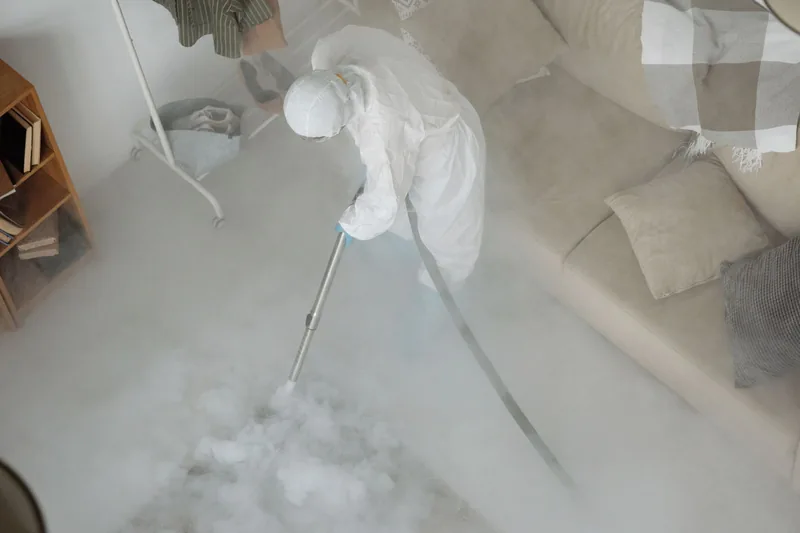
After exposure to infectious or hazardous material, the air, room and surfaces are fully decontaminated.
See biohazard decontamination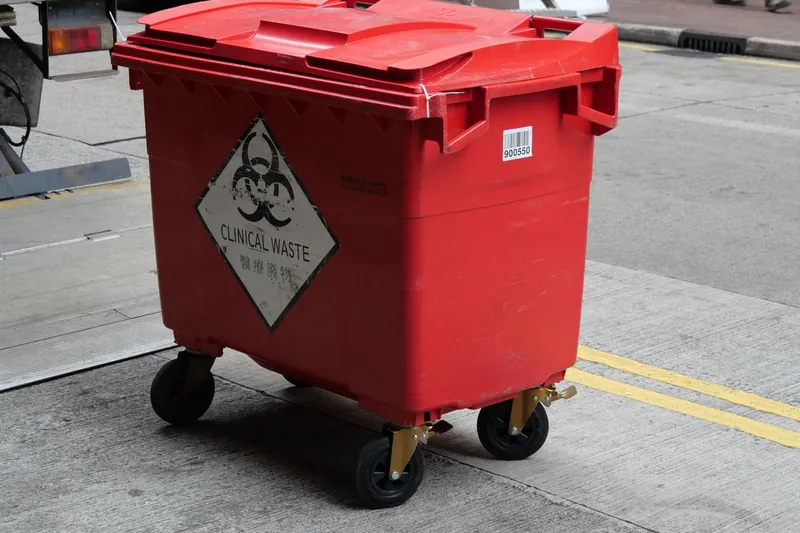
Medical waste removal and disposal through approved treatment facilities.
See medical waste removal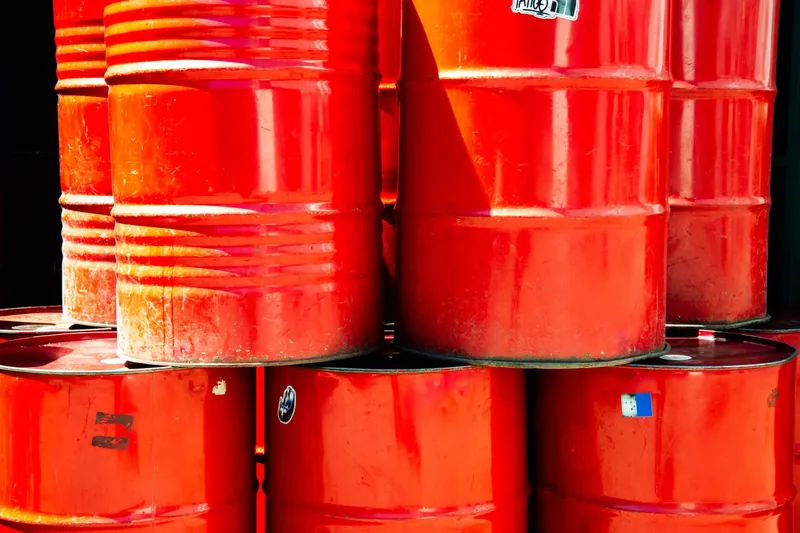
Biohazard waste pickup and disposal in sealed, labeled containers.
See biohazard waste disposal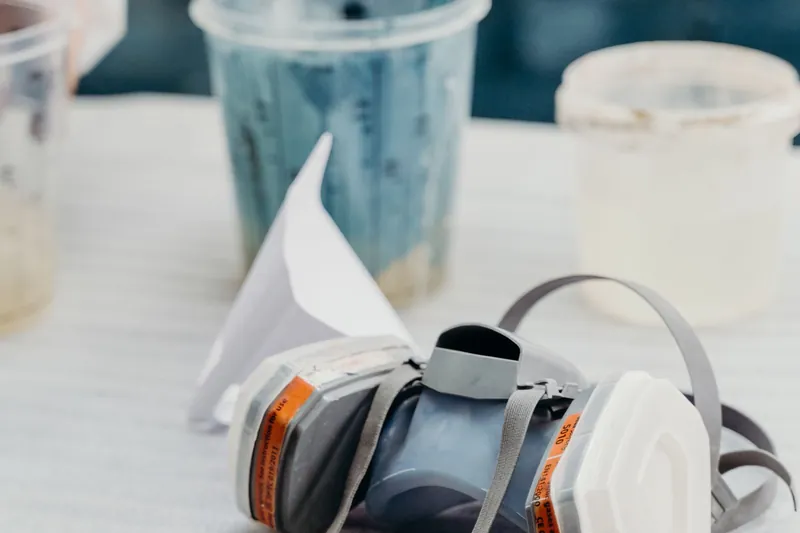
Residue tests, decontamination and clearance procedures are all part of meth lab cleanup.
See meth lab cleanup
Affected rooms, vehicle interiors and surfaces are decontaminated after fentanyl exposure.
See fentanyl decontaminationFor small to mid-size areas, the Hazmat Cleaning Cost guide from One and Done Prep gives $4,000 to $40,000 per job, with initial containment and cleanup listed at $6 to $20 per square foot. Contaminant type, affected area, access conditions, containment needs, protective equipment, waste disposal, permits and inspections all influence the price.
No. A fading smell does not prove that residue or vapor is gone, and some dangerous substances may have little noticeable odor. Cleanup decisions should be based on the identified material, affected surfaces, work scope and any testing required for that situation. A scented product may cover the smell without eliminating what causes it.
Until the substance and cleanup scope have been established, the duration cannot be estimated safely. An identified hazard contained in a defined space is easier to scope than material requiring special disposal or spreading through hidden paths and several rooms. The timeline reflects how long hazard identification, containment, cleaning, removal, waste management, repairs and required inspections take.
Cleanup does not end when disinfectant is applied. The cleanup scope guides a final area check after removal and cleaning are complete and the full disinfectant contact time has passed. The correct waste process includes closing the containers securely and removing them for proper disposal. Paperwork should explain completed cleaning, materials removed from the site and any repairs that remain.
Your policy may apply based on why the material was released and the specific coverage terms, exclusions, limits and deductible. Contact your insurance company after emergency safety calls, and explain the cause while leaving the material undisturbed. Find out whether the policy applies to contamination removal, damaged parts of the building, personal property, hazardous waste disposal and later testing or restoration.
Identify the substance first, without opening, sniffing or mixing it. Keep people away and use the label or Safety Data Sheet to find safe directions. The material involved and applicable local requirements determine disposal. Household waste should not include a leaking container, contaminated absorbent or unknown chemical unless relevant instructions expressly permit that disposal method.
You can request respectful, discreet hazmat cleanup 24 hours a day, and crews use unmarked vehicles.