
Commercial and Industrial Biohazard Cleanup
Commercial and industrial biohazard cleanup planned around site access and operating needs.
See commercial and industrial biohazard cleanupGet blood, bodily fluids, sharps and contaminated materials removed from an office, store, warehouse or shared workplace in Walhalla Park Place. The affected space stays controlled while cleanable surfaces are treated and unsafe porous materials are removed.
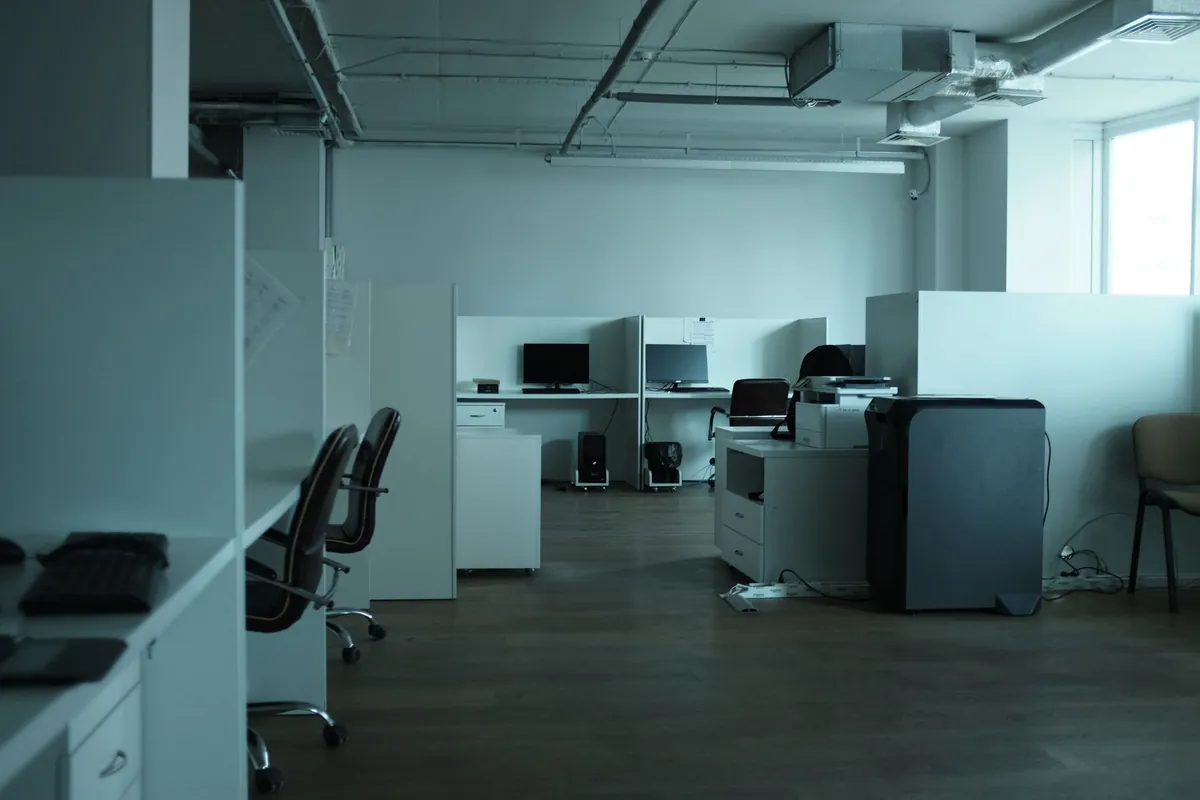
Workplace and office biohazard cleanup means safely controlling, removing, cleaning and disinfecting contamination from blood, bodily fluids or sharps following an accident, illness, injury or another on-the-job exposure.
This work goes beyond normal janitorial cleaning services. The cleanup process identifies the affected area, limits foot traffic, removes materials that cannot be disinfected and treats surfaces with the right product for the full contact time. Waste is packaged for lawful disposal, and the space is checked before it returns to use.
Contamination from a workplace biohazard may extend beyond the event site. Cleaning equipment, cart wheels and shoes can transfer it to nearby spaces. Assessment includes tracing those possible routes and determining whether visible soil, belongings, furnishings or parts of the building require a closer look.
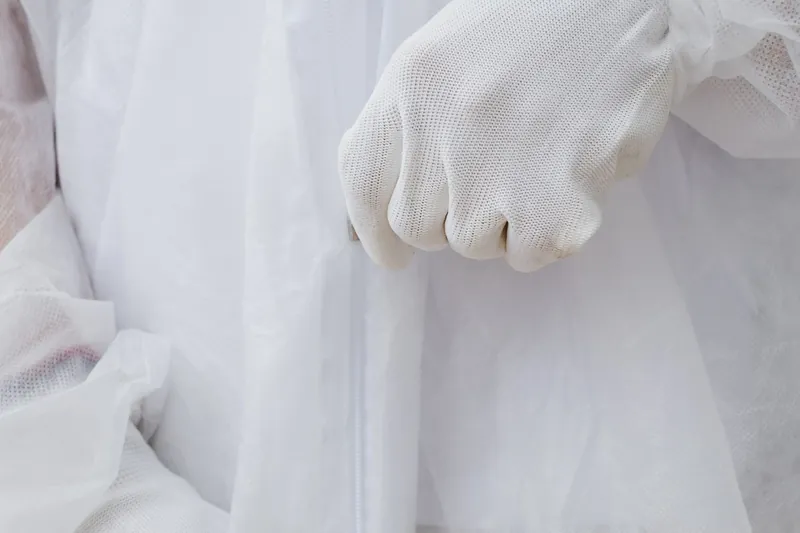
Photos, scope details and waste documents are organized for the insurance company, property owners or facility records.
Files, electronics and personal items are isolated and discussed with you before a decision is made whenever safety allows. Clear decisions can help you move forward with less uncertainty.
The affected area may be shielded from staff, customers and neighboring tenants, and crews use unmarked vehicles for arrival.
Clear details help you choose a cleanup company. The team tells you what it will clean or may remove, along with which spaces stay closed, prior to starting.
A workplace may need office biohazard cleaning when ordinary cleanup risks staff exposure to sharps, contamination or bodily fluids. These situations commonly include:
The facility's response plan calls for specific shared spaces and touchpoints to be cleaned after a known exposure or illness.
A property manager wants contaminated rooms separated and cleaned without exposing unaffected areas of the building.
Human waste or vomit contaminates an occupied area such as a workstation, restroom, lobby or break room.
A visitor or employee suffers an injury that leaves blood on shared-area items, flooring, walls or furniture.
People come before the condition of the room or any cleanup timetable. Use your workplace emergency response plan, then begin with these practical actions:
Call (888) 351-0904There is no trustworthy published price range dedicated to office or workplace biohazard cleanup. General cleanup guides cite a typical range of $3,000 to $5,000 on a per-job basis. They also list $1,800 to $4,500 as another typical range. Those amounts allow comparison but do not quote a workplace project. A small incident on a hard surface can have a very different cost from fluids reaching walls, carpet, several rooms or equipment. The actual work must be assessed to establish the final price.
These ranges come from published national cost guides, not from a site visit. After an on-site assessment, the price for your property is determined and shared with you before cleanup begins.
Ask about cost: (888) 351-0904Insurance can cover certain workplace biohazard cleanup costs, depending on the incident's cause and the terms of the lease and commercial policy, including exclusions and deductibles.
Keep an itemized work scope, photos and disposal records to support the claim. Ask if restoration services, cleanup and repair work fall under different portions of your claim. If disposal can safely wait, ask about policy requirements before throwing affected material away.
Your lease might allocate cleanup duties differently depending on whether the location is a lobby, shared restroom, parking area or private suite. When work affects entry or building systems, give the property manager notice before it starts.
Employee medical care and property cleanup are separate issues. Use the workplace process for injuries, and check with the proper insurer about reporting each separate part.
Insurance companies may ask for details about the cause and resulting contamination before deciding whether property coverage applies. Write down your claim number and every document requested by the adjuster.
The office biohazard cleanup process follows a controlled order. Every step keeps the affected areas separate, removes the source and documents what was cleaned or removed before the room reopens.
Cleanup technicians locate the incident zone, surrounding spread paths, different surfaces, personal property and each room that needs to remain closed.
Warning signs and barriers keep people out. Crews performing the cleanup wear protective gear appropriate for the exposure.
Collection of visible matter and disposable items happens first, preventing cleaning activity from spreading them through the workplace. Contamination left behind may spread onto surfaces close by.
Where access and full treatment are impossible, cleanup involves taking out contaminated ceiling tile, carpet pad, unfinished wood, upholstery or drywall.
Biohazard cleaning services wash hard surfaces, then keep an EPA-registered disinfectant on them for the entire contact time on its label.
First, remove the source. Air scrubbers and suitable odor treatment may then be used when the event affected indoor air or soft materials.
Sharps and other regulated waste are sealed in the correct containers and moved under the rules that apply in the state.
The space returns to normal use after every step is checked. Photos and waste records document the entire process, and any repair needs are identified.

You can call anytime. You speak with an office and workplace biohazard cleanup specialist who outlines the process and schedules a start time with you.
Serious health risks can arise from biological hazards at work if someone touches a contaminated surface, is injured by a sharp or transfers material away from the event site.
An injury or traumatic incident may be difficult for coworkers. Limiting access protects privacy and lets staff avoid seeing or entering the affected space.
Liquid can travel beneath carpeting to the pad, through baseboard seams or across nearby flooring. A surface wipe can miss contamination beyond the visible stain.
HIV, hepatitis B and hepatitis C can be carried by blood. According to the CDC, surface survival for hepatitis B can last at least seven days, so dried blood needs careful treatment.
Can you clean it yourself? Before a designated employee addresses a very small spill from a hard surface without pores, the task must be covered by training, protective equipment and the workplace plan. Do not ask untrained staff to clean a spill that reached carpet, upholstery, unfinished wood, wall cavities or an area with sharps.
A cleanable surface without pores can frequently remain in place. Absorbent materials must come out when the cleaning process cannot reach all areas entered by fluids.
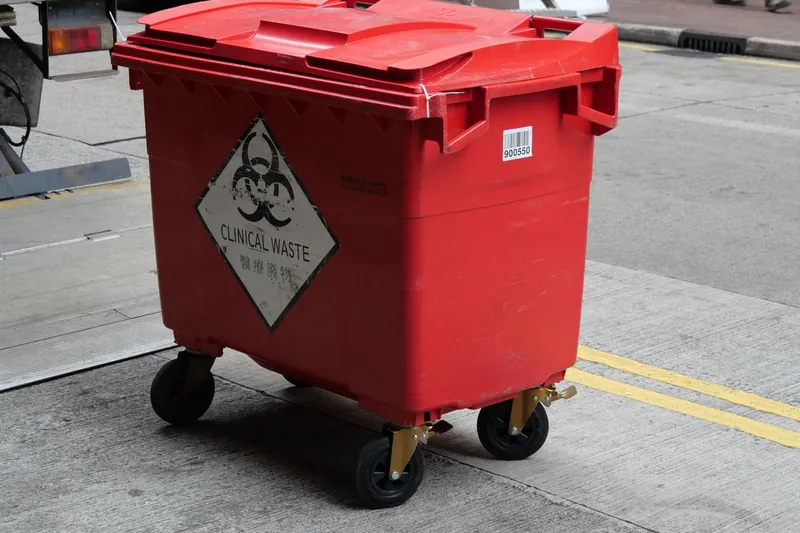
Several hours may be enough for a limited hard-surface cleanup, while one or more days may be needed when multiple rooms, furniture, carpet or wall material is affected. Repair work, building access, medical care and release by law enforcement can delay the office's full reopening.
| Scene | Typical time on site |
|---|---|
| Small hard-surface workplace area | Frequently several hours once the area can be entered safely |
| A single office space containing porous surfaces | Often one to two workdays |
| Several areas or structural removal | Several days in many cases, not including repairs |
Finding the source and taking it out is the starting point for office odor removal. Surface sprays or fragrances will not resolve fluid beneath carpet, within furniture or behind baseboards. Air treatment can help only after the affected material has been removed or cleaned.
After source removal, HEPA air scrubbers may help capture airborne particles. Other treatment may be chosen for the specific odor and room. Vent covers and nearby air returns should be checked when odor traveled beyond the original space. The entire process should protect occupied parts of the building from the work area.
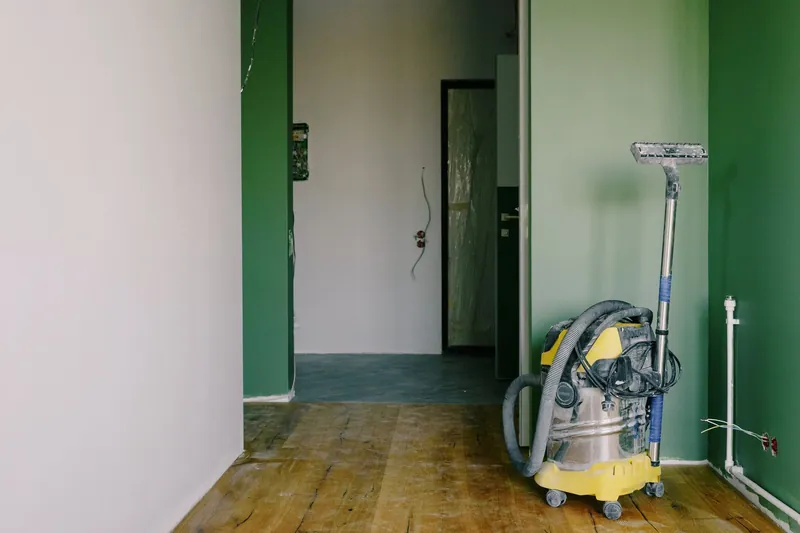
The full office and workplace biohazard cleanup guide covers what is cleaned or removed, odor and air quality work, and the rules that apply in Ohio and Franklin County.
Read the full office and workplace biohazard cleanup guideLocal housing, population and access details can shape containment, access and cleanup planning.
A listed distance of 2.0 miles to Riverside Methodist Hospital gives a practical medical reference when someone has contacted blood or waste.
Connections to Indianola Highlands, Crestview, and South Clintonville make a precise address important for coordinating cleanup access without unnecessary neighborhood attention.
The neighborhood setting makes privacy especially important when equipment must pass through sidewalks, lobbies, or other visible common areas.
Your phone conversation can include questions about service in nearby ZIP codes and communities.
Commercial and industrial biohazard cleanup planned around site access and operating needs.
See commercial and industrial biohazard cleanup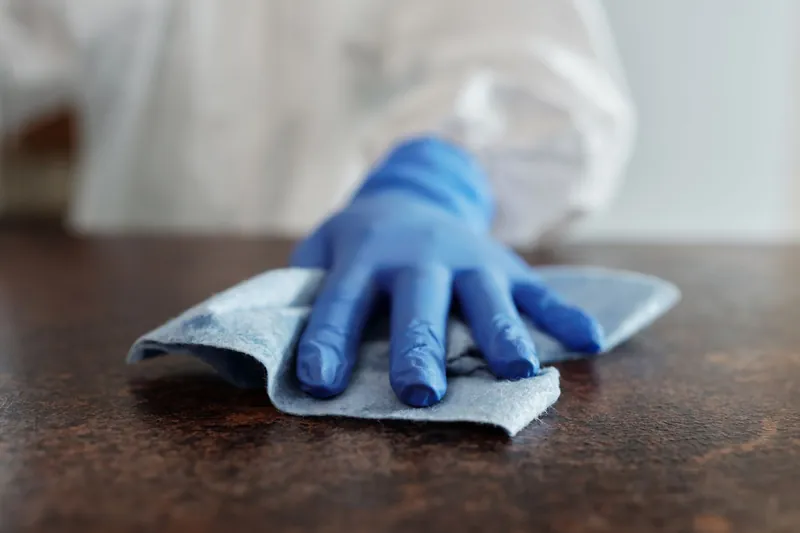
Large or small, every fresh or dried blood spill is covered by blood spill cleanup.
See blood spill cleanup
Cleanup controls the risk of blood exposure involving HIV, hepatitis C and hepatitis B.
See bloodborne pathogen cleanup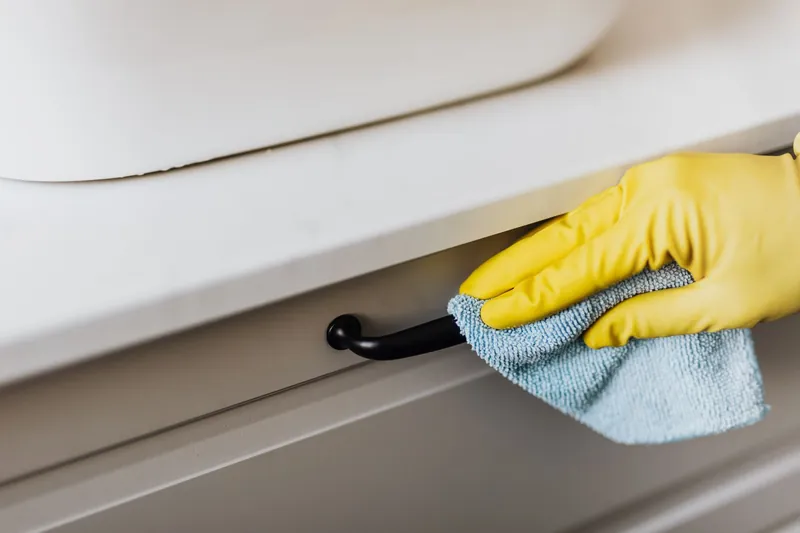
Bodily fluid cleanup removes fluids and disinfects affected areas in businesses, homes and care settings.
See bodily fluid cleanup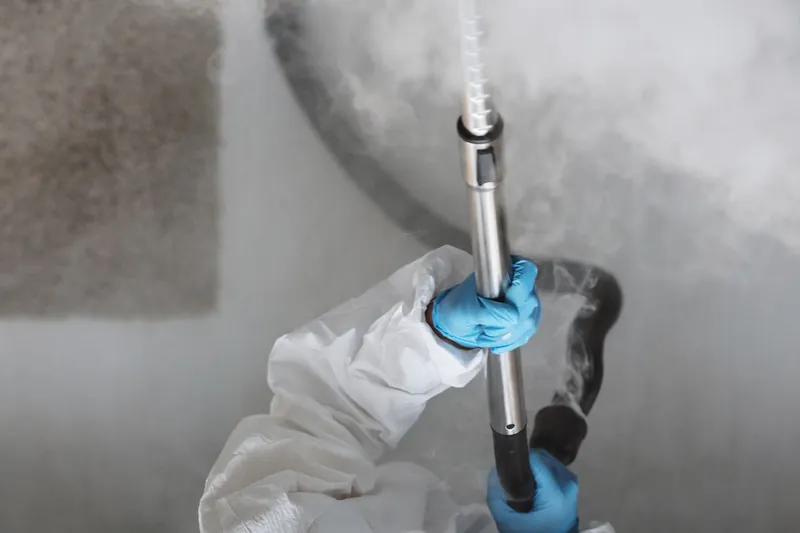
EPA-registered products are applied across all surfaces during infectious disease disinfection.
See infectious disease disinfection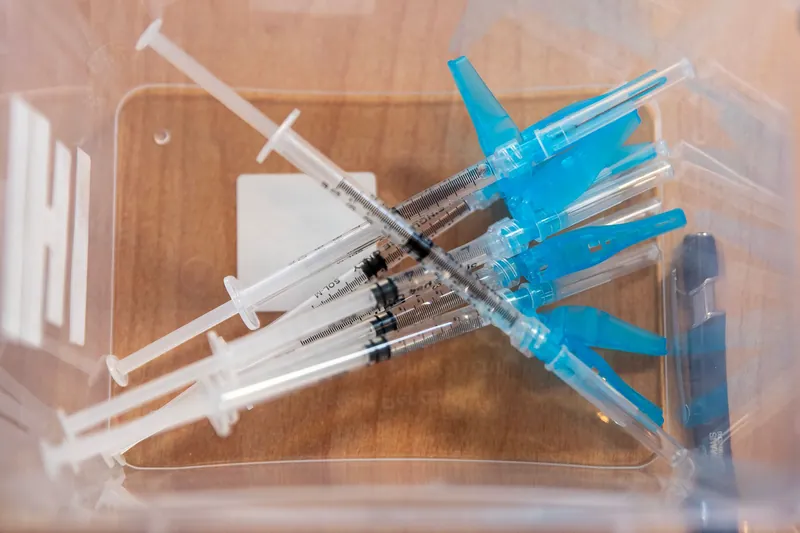
Yards, encampments, parks and rental properties receive needle and sharps cleanup.
See needle and sharps cleanup
Biohazard waste is collected in labeled, sealed containers and taken for disposal.
See biohazard waste disposal
Accident and injury scene cleanup in homes, workplaces and public spaces.
See accident and injury scene cleanupEmployees should stay out of the controlled work area. A manager or approved contact may manage access, share incident details and authorize the scope while other staff remain away. The rest of the site may remain open depending on shared airflow, containment, access paths and the business's safety process.
Ordinary cleaning can address normal soil, while biohazard cleanup needs a plan for exposure, suitable protective equipment, correct disinfection and lawful waste disposal. Check the cleaner's written scope and training. Never presume standard office-cleaning supplies can address blood, discarded sharps or bodily fluids that have soaked in.
Sharps, blood, infectious material, human waste, bodily fluids and similar biological substances are hazards because people may be exposed to illness or injury. A suitable response considers what occurred, where contamination traveled and whether staff have the protective equipment and training that the workplace plan requires.
You cannot rely on a published workplace-specific price range. Typical projects appear in general biohazard guides at $1,800 to $5,000 as a broad comparison, though larger jobs can be more expensive. The final assessed cost is shaped by the area's size, type of contamination, porous materials, equipment access, disposal needs and timing.
Get care for the injured person and involve emergency services as needed. Move others away and carry out the exposure plan, without asking staff who lack training to perform cleanup. If police or an investigator controls the area, wait for release. Report the incident through the required workplace process.
Access to the affected area stays restricted until source removal is done, cleaning and disinfection requirements are met, and unsafe material has been secured. One room may reopen before another if containment keeps them separate. The timeline depends on the spill, surfaces, investigation, drying and repair needs.
Discreet, respectful office and workplace biohazard cleanup, 24 hours a day, with crews in unmarked vehicles.